Blog · Apr 25, 2026 · 12 min read
Blockchain Access Control: Revolutionizing Security in the Digital Age
Blockchain Access Control: Revolutionizing Security in the Digital Age
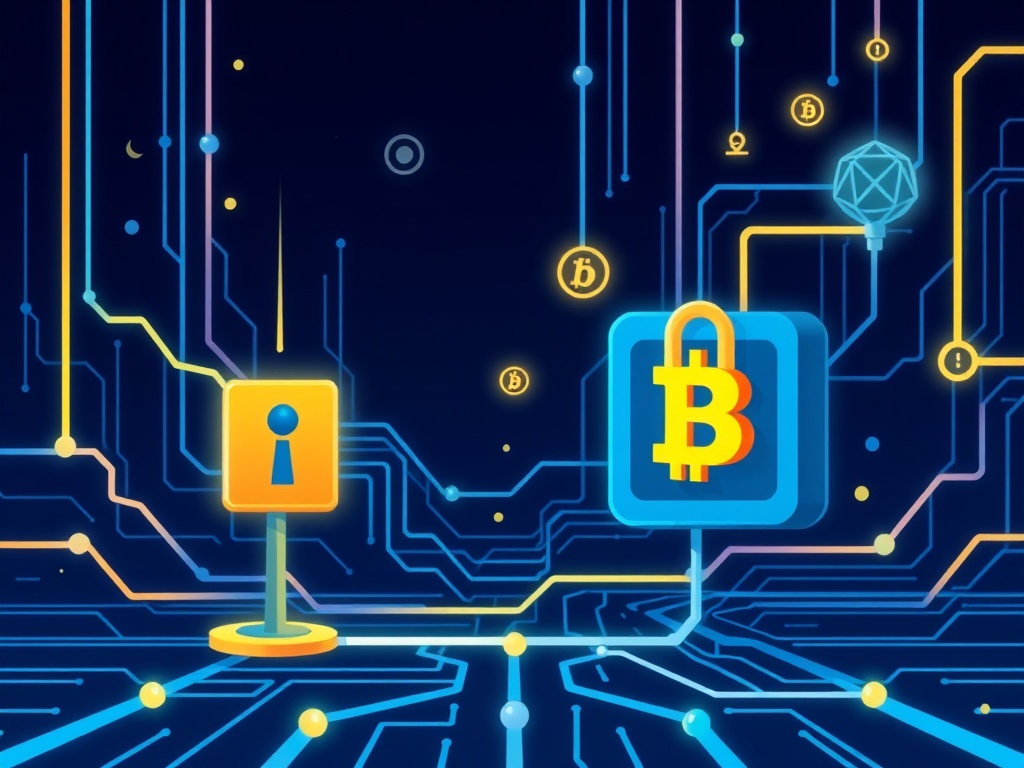
In an era where digital transactions and data exchanges are the backbone of modern economies, blockchain access control has emerged as a critical innovation. This technology is reshaping how organizations and individuals manage permissions, authenticate users, and secure sensitive information. As cyber threats grow more sophisticated, traditional access control systems are proving inadequate, leaving gaps that malicious actors exploit. Blockchain access control leverages the immutable, decentralized nature of blockchain to create a more robust, transparent, and tamper-proof framework for managing digital identities and permissions.
The integration of blockchain into access control systems is not just a technological upgrade—it’s a paradigm shift. Unlike conventional systems that rely on centralized databases vulnerable to single points of failure, blockchain distributes control across a network of nodes, ensuring that no single entity can unilaterally alter access permissions. This decentralization, combined with cryptographic security, makes blockchain access control a formidable solution for industries ranging from finance to healthcare. In this article, we’ll explore the fundamentals of blockchain access control, its advantages over traditional methods, real-world applications, and the challenges that lie ahead.
The Fundamentals of Blockchain Access Control
What Is Blockchain Access Control?
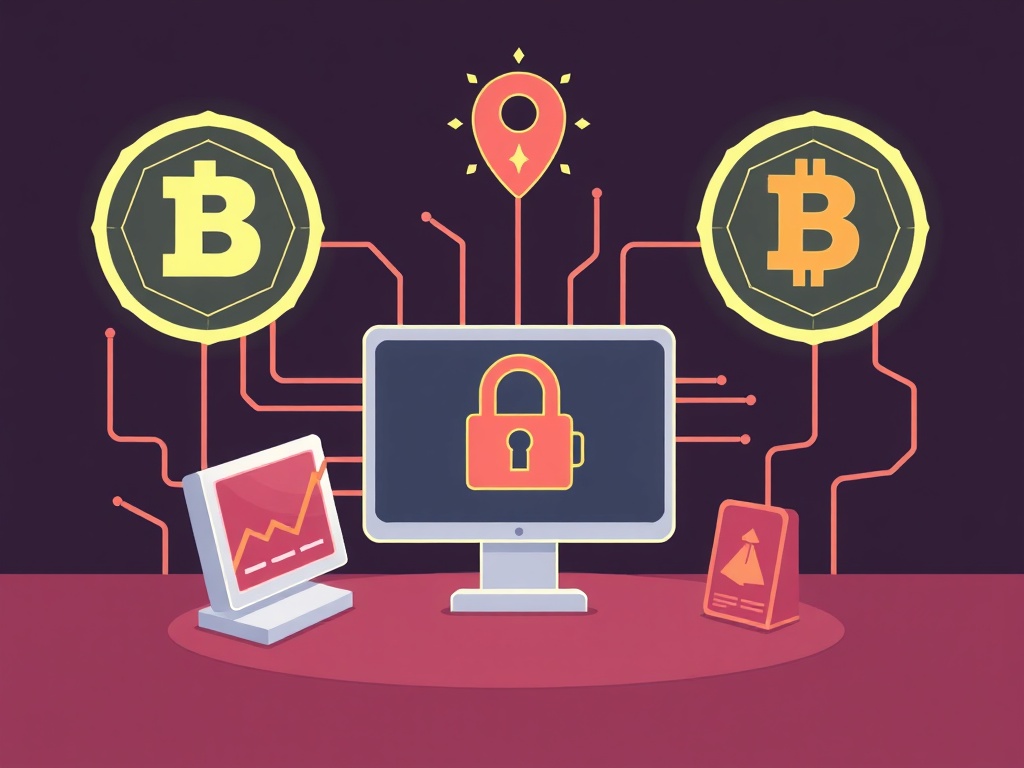
Blockchain access control refers to the use of blockchain technology to manage and enforce permissions for accessing digital resources, data, or systems. At its core, it replaces traditional centralized access control mechanisms—such as passwords, biometrics, or role-based access control (RBAC)—with a decentralized, cryptographically secured ledger. This ledger records every access request, approval, and denial in an immutable manner, ensuring transparency and accountability.
In a traditional system, access control is managed by a central authority, such as an IT department or a cloud service provider. This centralization creates vulnerabilities: if the central server is compromised, all access permissions could be at risk. Blockchain access control eliminates this single point of failure by distributing the access control logic across a peer-to-peer network. Each node in the network validates access requests, and changes to permissions require consensus among participants, making unauthorized access nearly impossible.
Key Components of Blockchain-Based Access Control
To understand how blockchain access control works, it’s essential to break down its core components:
- Smart Contracts: Self-executing contracts written in code that automatically enforce access rules. For example, a smart contract could grant access to a file only if a user’s digital identity is verified and meets specific criteria.
- Decentralized Identifiers (DIDs): Unique, cryptographic identifiers assigned to users, devices, or entities. DIDs replace traditional usernames and passwords, reducing the risk of identity theft.
- Consensus Mechanisms: Protocols like Proof of Work (PoW), Proof of Stake (PoS), or Byzantine Fault Tolerance (BFT) ensure that all nodes agree on access permissions before they are recorded on the blockchain.
- Immutable Ledger: A tamper-proof record of all access requests and permissions, stored across the blockchain network. Once recorded, data cannot be altered or deleted without consensus.
- Zero-Knowledge Proofs (ZKPs): Cryptographic methods that allow users to prove their identity or permissions without revealing sensitive information, enhancing privacy.
These components work together to create a blockchain access control system that is not only secure but also highly efficient. Unlike traditional systems that require manual intervention for updates or revocations, blockchain-based systems automate these processes, reducing administrative overhead and human error.
How Blockchain Access Control Differs from Traditional Systems
Traditional access control systems, such as Active Directory or LDAP, rely on centralized databases to store user credentials and permissions. While these systems are widely used, they suffer from several limitations:
- Single Point of Failure: If the central server is breached, all access permissions are compromised.
- Lack of Transparency: Users and administrators have limited visibility into who accessed what and when.
- Slow Updates: Revoking or granting access can take days, especially in large organizations.
- High Maintenance Costs: Centralized systems require constant monitoring, patching, and updates to prevent breaches.
In contrast, blockchain access control offers:
- Decentralization: No single entity controls access permissions, reducing the risk of large-scale breaches.
- Immutability: Once access permissions are recorded, they cannot be altered without consensus, ensuring auditability.
- Automation: Smart contracts handle access requests in real-time, eliminating manual processes.
- Cost Efficiency: Reduced need for centralized infrastructure and IT staff to manage access control.
These differences highlight why blockchain access control is gaining traction across industries. It’s not just an incremental improvement—it’s a fundamental rethinking of how access control should work in a digital-first world.
The Advantages of Implementing Blockchain Access Control
Enhanced Security and Fraud Prevention
Security is the most compelling reason to adopt blockchain access control. Traditional systems are plagued by vulnerabilities such as phishing attacks, credential stuffing, and insider threats. Blockchain mitigates these risks through several mechanisms:
- Cryptographic Security: Each user is assigned a unique cryptographic key pair (public and private keys). Access is granted only when the user’s private key matches the public key stored on the blockchain.
- Tamper-Proof Records: Any attempt to alter access logs or permissions would require altering the entire blockchain, which is computationally infeasible due to consensus mechanisms.
- Reduced Attack Surface: Unlike centralized databases that store all user credentials in one place, blockchain distributes this information across the network, making it harder for hackers to target.
For example, in the financial sector, where fraud is a significant concern, blockchain access control can prevent unauthorized transactions by ensuring that only verified users with the correct cryptographic keys can initiate payments. Similarly, in healthcare, patient data can be protected from breaches by restricting access to authorized personnel only, with every access attempt logged on the blockchain.
Improved Transparency and Auditability
One of the most underrated benefits of blockchain access control is its ability to provide a transparent, auditable trail of all access activities. In traditional systems, tracking who accessed what—and when—can be a labor-intensive process, often requiring manual log reviews. Blockchain automates this process by recording every access request, approval, and denial on an immutable ledger.
This transparency is invaluable for compliance and regulatory purposes. For instance:
- GDPR Compliance: Organizations subject to the General Data Protection Regulation (GDPR) can use blockchain to demonstrate that they have implemented "appropriate technical measures" to protect personal data.
- HIPAA Compliance: In healthcare, blockchain can ensure that only authorized personnel access patient records, with every access attempt logged for auditing.
- SOX Compliance: For publicly traded companies, blockchain provides a tamper-proof record of financial data access, reducing the risk of fraudulent activities.
Moreover, the auditability of blockchain-based systems reduces the likelihood of insider threats. Employees or contractors with access to sensitive data cannot secretly alter access logs or cover their tracks, as every action is permanently recorded.
Cost Savings and Operational Efficiency
While the initial implementation of blockchain access control may require investment in technology and training, the long-term cost savings are substantial. Traditional access control systems incur ongoing expenses related to:
- IT Staffing: Managing user credentials, resetting passwords, and updating permissions requires dedicated personnel.
- Infrastructure: Maintaining centralized servers, databases, and backup systems is costly.
- Breach Remediation: The average cost of a data breach in 2023 was $4.45 million, according to IBM’s Cost of a Data Breach Report. Blockchain significantly reduces this risk.
In contrast, blockchain access control systems can:
- Automate User Onboarding/Offboarding: Smart contracts can automatically grant or revoke access when a user joins or leaves an organization.
- Reduce Password Resets: By replacing passwords with cryptographic keys, organizations can eliminate the need for frequent password resets and helpdesk tickets.
- Minimize Downtime: Since blockchain systems are decentralized, they are less prone to outages caused by server failures or cyberattacks.
For small and medium-sized enterprises (SMEs), these cost savings can be a game-changer, allowing them to allocate resources to innovation rather than security overhead.
Interoperability and Cross-Platform Compatibility
Another significant advantage of blockchain access control is its ability to work across multiple platforms and systems. Traditional access control systems are often siloed, requiring separate integrations for different applications (e.g., email, cloud storage, ERP systems). This fragmentation creates security gaps and increases complexity.
Blockchain, on the other hand, provides a unified framework for access control. Since the blockchain ledger is platform-agnostic, it can integrate with various systems, including:
- Cloud Services: AWS, Azure, and Google Cloud can all interface with a blockchain-based access control system.
- IoT Devices: Smart devices, from industrial sensors to home automation systems, can use blockchain to authenticate users and grant access.
- Legacy Systems: Organizations can gradually migrate to blockchain without overhauling existing infrastructure by using blockchain as a middleware layer.
This interoperability ensures that blockchain access control can scale alongside an organization’s needs, whether it’s a single department or a global enterprise.
Real-World Applications of Blockchain Access Control
Finance: Securing Transactions and Preventing Fraud
The financial sector is one of the earliest adopters of blockchain access control, driven by the need to combat fraud, money laundering, and unauthorized transactions. Traditional banking systems rely on centralized databases that are prime targets for cybercriminals. Blockchain offers a decentralized alternative where:
- KYC/AML Compliance: Know Your Customer (KYC) and Anti-Money Laundering (AML) processes can be streamlined using blockchain. Users submit their identity documents once, and the blockchain verifies and stores them immutably. Financial institutions can then access this verified data without repeatedly requesting it from users.
- Smart Contracts for Payments: Access to payment systems can be controlled via smart contracts. For example, a smart contract could automatically release funds to a vendor only when predefined conditions (e.g., delivery confirmation) are met.
- Tokenized Assets: In decentralized finance (DeFi), access to tokenized assets (e.g., cryptocurrencies, NFTs) is managed through blockchain-based access control, ensuring only authorized users can trade or transfer these assets.
Companies like Chainalysis and Elliptic are already using blockchain analytics to track illicit transactions, while banks like JPMorgan and HSBC are experimenting with blockchain for secure access control in their internal systems.
Healthcare: Protecting Patient Data and Ensuring Compliance
Healthcare is another industry where blockchain access control is making a significant impact. Patient data is highly sensitive, and breaches can have severe consequences, including identity theft and medical fraud. Blockchain addresses these challenges by:
- Patient-Centric Access: Patients can control who accesses their medical records using cryptographic keys. For example, a patient could grant a specialist temporary access to their records for a consultation, then revoke that access afterward.
- Interoperability Across Providers: Hospitals and clinics often use different electronic health record (EHR) systems. Blockchain provides a standardized way to manage access across these disparate systems, ensuring seamless yet secure data sharing.
- Drug Traceability: Blockchain can track the entire supply chain of pharmaceuticals, ensuring that only authorized personnel can access or distribute medications. This helps combat counterfeit drugs and unauthorized access to controlled substances.
Projects like MedRec (developed by MIT) and BurstIQ are pioneering blockchain-based access control in healthcare, demonstrating how the technology can improve patient outcomes while reducing administrative burdens.
Supply Chain: Enhancing Trust and Reducing Counterfeiting
Supply chains are complex networks where trust and transparency are critical. Counterfeit goods, fraud, and inefficiencies plague traditional supply chains, costing businesses billions annually. Blockchain access control can address these issues by:
- Verifying Supplier Identities: Suppliers can be authenticated using blockchain-based digital identities, ensuring that only legitimate vendors can access procurement systems or shipments.
- Tracking Goods in Real-Time: IoT devices and RFID tags can record the movement of goods on a blockchain, providing an immutable audit trail. Access to this data can be restricted to authorized parties only.
- Preventing Counterfeiting: Luxury brands and pharmaceutical companies can use blockchain to verify the authenticity of products. For example, a consumer can scan a QR code to check if a handbag or medication is genuine, with access to the verification data controlled by the brand.
Companies like IBM Food Trust and Walmart are using blockchain to track food products from farm to table, reducing food fraud and ensuring safety. Similarly, De Beers uses blockchain to trace diamonds and prevent the trade of conflict diamonds.
Government: Secure Voting and Citizen Services
Governments are increasingly exploring blockchain access control to enhance the security of citizen services, voting systems, and public records. Key applications include:
- Secure Voting Systems: Blockchain can ensure that votes are cast and counted securely, with each voter’s identity verified cryptographically. This eliminates the risk of tampering or double-voting, as seen in traditional paper-based or electronic voting systems.
- Digital Identity Management: Citizens can use blockchain-based digital IDs to access government services, such as applying for passports, licenses, or social benefits. These IDs are tamper-proof and can be revoked if compromised.
- Land Registry: Property records stored on a blockchain are immutable and transparent, preventing fraud such as forged deeds or unauthorized sales. Countries like Georgia and Sweden are already piloting blockchain for land registries.
Estonia, often hailed as a digital government pioneer, uses blockchain to secure its e-residency program and national health records, demonstrating how blockchain access control can build trust in public institutions.
IoT and Smart Cities: Managing Device Access at Scale
The Internet of Things (IoT) is transforming cities, homes, and industries, but it also introduces significant security risks. IoT devices are often poorly secured, making them easy targets for botnets and cyberattacks. Blockchain access control can mitigate these risks by:
- Device Authentication: Each IoT device can be assigned a unique cryptographic identity on the blockchain, ensuring that only authorized devices can connect to a network.
- Dynamic Access Policies: Smart contracts can enforce access rules based on real-time conditions. For example, a smart lock in a smart home could grant access to a delivery person only during a specific time window.
- Decentralized Identity for Devices: Unlike traditional IoT systems that rely on centralized servers, blockchain allows devices to authenticate each other directly, reducing latency and improving security.
Smart city initiatives, such as those in Singapore and Dubai, are exploring blockchain to manage access to public services, transportation systems, and utility grids. By implementing blockchain access control, these cities can create more resilient and secure urban environments.
Challenges and Limitations of Blockchain Access Control
Scalability and Performance Bottlenecks
Despite its advantages, blockchain access control faces significant scalability challenges. Public blockchains, such as Bitcoin and Ethereum, have limited transaction throughput, which can lead to delays in processing access requests. For example:
- Ethereum’s Throughput: Ethereum processes around 15-3
 Emily ParkerCrypto Investment Advisor
As a crypto investment advisor with over a decade of experience, I’ve seen firsthand how blockchain access control is reshaping the security landscape for digital assets. Traditional access management systems rely on centralized databases, which are vulnerable to single points of failure—whether through hacking, insider threats, or systemic breaches. Blockchain, however, introduces a decentralized framework where access permissions are encoded into immutable smart contracts, eliminating the need for intermediaries. This shift not only enhances security but also ensures transparency, as every access request and approval is permanently recorded on the ledger. For institutional investors and high-net-worth individuals, this technology is a game-changer, particularly in sectors like DeFi, where secure yet flexible access control is non-negotiable.
From a practical standpoint, implementing blockchain access control requires careful consideration of scalability, interoperability, and regulatory compliance. While public blockchains like Ethereum offer robust security, private or permissioned networks may be better suited for enterprises with strict data privacy requirements. I’ve advised clients to prioritize solutions that integrate seamlessly with existing identity management systems, such as decentralized identifiers (DIDs) or multi-signature wallets, to streamline adoption without compromising security. The key takeaway? Blockchain access control isn’t just about locking down assets—it’s about creating a dynamic, auditable, and user-centric framework that evolves with your investment strategy. For those willing to embrace this innovation, the long-term benefits in risk mitigation and operational efficiency are undeniable.