Blog · Apr 14, 2026 · 12 min read
Mastering the Anonymous Bitcoin Purchase: A Complete Guide to Privacy in Crypto Transactions
Mastering the Anonymous Bitcoin Purchase: A Complete Guide to Privacy in Crypto Transactions
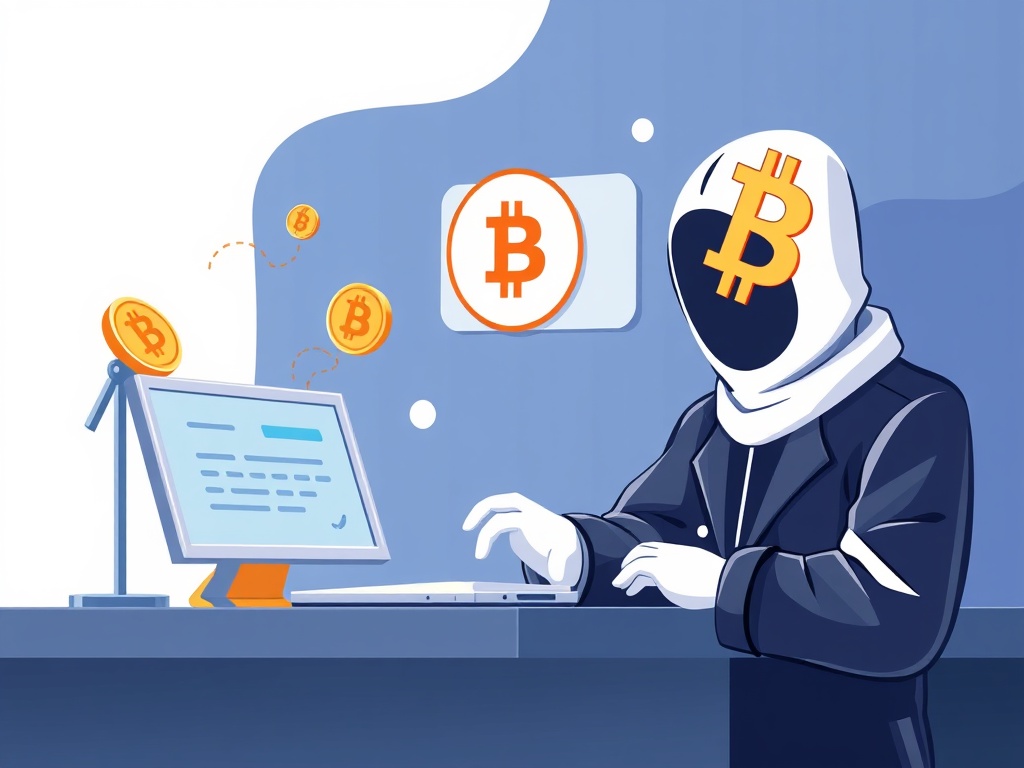
In an era where financial privacy is increasingly under scrutiny, the ability to make an anonymous bitcoin purchase has become a critical concern for many cryptocurrency users. Whether you're a privacy advocate, a business owner, or simply someone who values discretion in financial dealings, understanding how to securely and anonymously acquire Bitcoin is essential. This comprehensive guide explores the various methods, tools, and best practices for conducting an anonymous bitcoin purchase while minimizing risks and maximizing privacy.
The demand for privacy in cryptocurrency transactions has surged alongside the growing adoption of Bitcoin. While the blockchain is transparent, the identities behind transactions are not inherently linked to wallet addresses—provided proper precautions are taken. However, achieving true anonymity requires more than just using a new wallet address; it involves a multi-layered approach that includes selecting the right platforms, employing advanced techniques, and maintaining operational security (OpSec). This article delves into the intricacies of making an anonymous bitcoin purchase, offering actionable insights for both beginners and experienced users.
The Importance of Privacy in Bitcoin Transactions
Bitcoin, often hailed as a decentralized and pseudonymous currency, operates on a public ledger where all transactions are recorded. While wallet addresses do not directly reveal personal identities, they can be linked to individuals through various means, such as IP addresses, exchange records, or blockchain analysis. This is where the concept of an anonymous bitcoin purchase comes into play—ensuring that your financial activities remain confidential and untraceable.
Why Anonymity Matters in Cryptocurrency
Privacy in financial transactions is not just about hiding illicit activities; it's about protecting personal freedoms and preventing financial surveillance. Governments and corporations increasingly monitor financial transactions, which can lead to unwarranted scrutiny or even financial censorship. For individuals living in oppressive regimes or those who prioritize personal autonomy, an anonymous bitcoin purchase is a vital tool for maintaining financial sovereignty.
Moreover, anonymity can protect against targeted advertising, identity theft, and other forms of exploitation that arise from exposing one's financial history. By mastering the techniques for an anonymous bitcoin purchase, users can safeguard their wealth and personal data from prying eyes.
Common Misconceptions About Bitcoin Anonymity
Many people mistakenly believe that Bitcoin transactions are entirely anonymous. In reality, Bitcoin is pseudonymous, meaning transactions are linked to wallet addresses rather than directly to identities. However, these addresses can often be traced back to individuals through blockchain analysis, exchange records, or other metadata. An anonymous bitcoin purchase requires more than just using a new wallet—it involves a combination of techniques to obfuscate the transaction trail.
Another common misconception is that using a VPN or Tor alone is sufficient for anonymity. While these tools help mask your IP address, they do not prevent blockchain analysis or address clustering. True anonymity in Bitcoin transactions demands a holistic approach that includes careful selection of platforms, proper wallet management, and adherence to OpSec principles.
Methods for Making an Anonymous Bitcoin Purchase
There are several methods available for conducting an anonymous bitcoin purchase, each with its own advantages and limitations. The choice of method depends on factors such as your location, the amount of Bitcoin you wish to acquire, and your tolerance for risk. Below, we explore the most effective techniques for achieving anonymity in Bitcoin purchases.
Peer-to-Peer (P2P) Exchanges
Peer-to-peer exchanges are one of the most popular methods for making an anonymous bitcoin purchase because they allow users to trade directly with one another without the need for a centralized intermediary. Platforms like LocalBitcoins, Paxful, and Bisq facilitate these transactions, often supporting a variety of payment methods, including cash, gift cards, and bank transfers.
The primary advantage of P2P exchanges is that they do not require users to undergo extensive KYC (Know Your Customer) verification, making them ideal for those seeking anonymity. However, users must exercise caution when selecting trading partners, as scams and fraudulent activities are common in unregulated markets.
How to Use P2P Exchanges Safely
- Choose reputable platforms: Stick to well-established P2P exchanges with positive user reviews and robust escrow services to minimize the risk of fraud.
- Verify the seller's reputation: Before initiating a trade, check the seller's feedback score and transaction history to ensure they are trustworthy.
- Use escrow services: Most P2P platforms offer escrow services to hold the Bitcoin until the payment is confirmed, reducing the risk of chargebacks or scams.
- Communicate securely: Use encrypted messaging apps like Signal or Session to discuss trade details and avoid leaving a digital trail.
- Withdraw to a new wallet: Once the transaction is complete, withdraw the Bitcoin to a fresh wallet address to avoid linking it to your identity.
Bitcoin ATMs
Bitcoin ATMs, also known as BTMs, provide a convenient way to purchase Bitcoin with cash, making them an attractive option for those seeking an anonymous bitcoin purchase. These machines allow users to buy Bitcoin without the need for a bank account or ID verification, provided the transaction amount is below the platform's KYC threshold (usually around $900-$1,000).
Bitcoin ATMs are widely available in many countries, particularly in urban areas, and offer a quick and discreet way to acquire Bitcoin. However, users should be aware of potential drawbacks, such as high fees and limited transaction limits.
Tips for Using Bitcoin ATMs Anonymously
- Check local regulations: Some jurisdictions require ID verification for all Bitcoin ATM transactions, regardless of the amount. Always research local laws before attempting an anonymous purchase.
- Use cash: Bitcoin ATMs typically require cash payments, which helps maintain anonymity by avoiding digital payment trails.
- Choose a reputable ATM operator: Not all Bitcoin ATMs are created equal. Opt for machines operated by well-known companies like CoinFlip, Coinme, or General Bytes to reduce the risk of scams or malfunctioning devices.
- Withdraw to a new wallet: After purchasing Bitcoin, withdraw it to a fresh wallet address to prevent linking it to your identity.
- Monitor transaction limits: Many Bitcoin ATMs impose daily or per-transaction limits on anonymous purchases. Plan your transactions accordingly to avoid exceeding these thresholds.
Privacy-Focused Cryptocurrency Exchanges
While most major cryptocurrency exchanges require extensive KYC verification, some platforms prioritize privacy and offer limited or no identity checks. These exchanges are ideal for users who want to make an anonymous bitcoin purchase without resorting to P2P trading or Bitcoin ATMs.
Examples of privacy-focused exchanges include:
- Bisq: A decentralized exchange that operates without a central authority, allowing users to trade Bitcoin peer-to-peer with minimal KYC requirements.
- Hodl Hodl: Another decentralized exchange that facilitates Bitcoin trading without mandatory identity verification, though it does require a deposit for escrow purposes.
- KuCoin: While not entirely anonymous, KuCoin offers a tiered KYC system where users can trade with minimal verification for small amounts.
How to Use Privacy-Focused Exchanges
To make an anonymous bitcoin purchase on a privacy-focused exchange, follow these steps:
- Create an account: Sign up for the exchange using an email address that is not linked to your identity (e.g., a ProtonMail account).
- Choose a trading pair: Select the Bitcoin trading pair you wish to use (e.g., BTC/USD or BTC/EUR).
- Initiate the trade: Place a buy order for Bitcoin, ensuring that the seller's reputation and trade terms are favorable.
- Use escrow: Most privacy-focused exchanges use escrow services to hold the Bitcoin until the payment is confirmed, reducing the risk of fraud.
- Withdraw to a new wallet: Once the transaction is complete, withdraw the Bitcoin to a fresh wallet address to maintain anonymity.
Mixing Services (CoinJoin)
For users who require a higher level of anonymity, mixing services (also known as tumblers) can be an effective tool for obfuscating the transaction trail. These services combine Bitcoin from multiple users into a single transaction, making it difficult to trace the origin of the funds. While mixing services do not make Bitcoin transactions entirely anonymous, they significantly increase the difficulty of tracking transactions on the blockchain.
Popular Bitcoin mixing services include:
- Wasabi Wallet: A privacy-focused Bitcoin wallet that integrates the CoinJoin protocol, allowing users to mix their coins directly within the wallet.
- Samourai Wallet: Another privacy-centric wallet that offers advanced features like Stonewall and PayJoin to enhance transaction anonymity.
- JoinMarket: An open-source platform that enables users to participate in CoinJoin transactions as either a market maker or a taker.
How to Use Mixing Services Effectively
To maximize the effectiveness of a mixing service for an anonymous bitcoin purchase, consider the following tips:
- Choose a reputable mixing service: Stick to well-established platforms with a proven track record of reliability and security.
- Use a dedicated wallet: Create a new wallet specifically for mixing to avoid linking it to your primary holdings.
- Set appropriate fees: Mixing services typically charge fees based on the amount being mixed. Higher fees often result in better privacy, as they allow for more complex mixing strategies.
- Wait for confirmations: After mixing, wait for several blockchain confirmations before using the funds to ensure that the transaction is finalized.
- Avoid reusing addresses: Once you've mixed your Bitcoin, avoid reusing the same wallet addresses to prevent linking transactions.
Advanced Techniques for Enhancing Anonymity
While the methods outlined above provide a solid foundation for making an anonymous bitcoin purchase, advanced users can further enhance their privacy by employing additional techniques. These strategies require a deeper understanding of cryptographic principles, network protocols, and operational security, but they can significantly reduce the risk of deanonymization.
Using the Tor Network and VPNs
To prevent your IP address from being linked to your Bitcoin transactions, it's essential to route your internet traffic through privacy-enhancing tools like the Tor network or a VPN. Tor, in particular, is widely used by privacy-conscious individuals to anonymize their online activities, including cryptocurrency transactions.
When making an anonymous bitcoin purchase, always connect to the internet via Tor or a reputable VPN service. This helps mask your IP address and prevents third parties from associating your transactions with your physical location or identity.
Setting Up Tor for Bitcoin Transactions
To use Tor for Bitcoin transactions, follow these steps:
- Download and install the Tor Browser: The Tor Browser is a modified version of Firefox that routes all traffic through the Tor network.
- Access your chosen platform: Log in to your P2P exchange, Bitcoin ATM, or privacy-focused exchange using the Tor Browser.
- Initiate the transaction: Follow the platform's instructions to complete your Bitcoin purchase, ensuring that all communication is conducted within the Tor Browser.
- Withdraw to a new wallet: After purchasing Bitcoin, withdraw it to a fresh wallet address using the Tor Browser to maintain anonymity.
Using Stealth Addresses and Coin Control
Stealth addresses and coin control are advanced techniques that can further enhance the privacy of your Bitcoin transactions. Stealth addresses allow you to generate a unique, one-time address for each transaction, making it difficult for third parties to link transactions to your wallet. Coin control, on the other hand, gives you granular control over which inputs (coins) are used in a transaction, allowing you to avoid reusing addresses and maintain better privacy.
Wallets like Wasabi Wallet and Samourai Wallet offer built-in support for stealth addresses and coin control, making them ideal choices for users seeking to maximize anonymity.
Implementing Stealth Addresses and Coin Control
To use stealth addresses and coin control for an anonymous bitcoin purchase, follow these steps:
- Choose a privacy-focused wallet: Download and install a wallet like Wasabi Wallet or Samourai Wallet that supports stealth addresses and coin control.
- Generate a stealth address: Use the wallet's stealth address feature to generate a unique, one-time address for receiving Bitcoin.
- Enable coin control: In your wallet settings, enable coin control to gain granular control over which inputs are used in transactions.
- Make the purchase: When making an anonymous bitcoin purchase, provide the stealth address as the receiving address to ensure that the transaction cannot be linked to your wallet.
- Use coin control for spending: When spending Bitcoin, use coin control to select specific inputs that have not been previously used, further enhancing privacy.
Operational Security (OpSec) Best Practices
Operational security, or OpSec, is the practice of protecting sensitive information by identifying and controlling potential threats. When making an anonymous bitcoin purchase, OpSec is critical to ensuring that your identity and financial activities remain confidential. Below are some best practices for maintaining OpSec during Bitcoin transactions.
Securing Your Devices and Accounts
- Use dedicated devices: Consider using a dedicated device (e.g., a laptop or smartphone) solely for cryptocurrency transactions to minimize the risk of cross-contamination with other activities.
- Enable full-disk encryption: Ensure that your device is encrypted to protect against unauthorized access in case of theft or loss.
- Use strong, unique passwords: Create strong, unique passwords for all your cryptocurrency-related accounts and enable two-factor authentication (2FA) where possible.
- Avoid public Wi-Fi: Public Wi-Fi networks are often unsecured and can be exploited by attackers to intercept your data. Always use a VPN or Tor when connecting to the internet.
- Regularly update software: Keep your operating system, wallet software, and other applications up to date to protect against known vulnerabilities.
Minimizing Digital Footprints
- Avoid sharing personal information: Never disclose personal details such as your name, address, or phone number when making an anonymous bitcoin purchase.
- Use encrypted communication: Communicate with trading partners using encrypted messaging apps like Signal or Session to prevent eavesdropping.
- Avoid social media exposure: Refrain from discussing your cryptocurrency activities on social media or public forums, as this can inadvertently reveal your identity.
- Use disposable email addresses: Create temporary email addresses for cryptocurrency-related activities to avoid linking your primary email to your transactions.
- Dispose of devices securely: If you no longer need a device used for cryptocurrency transactions, ensure that it is securely wiped or destroyed to prevent data recovery.
Risks and Challenges of Anonymous Bitcoin Purchases
While the techniques outlined in this guide can significantly enhance your privacy when making an anonymous bitcoin purchase, it's important to recognize that no method is entirely foolproof. There are inherent risks and challenges associated with anonymous Bitcoin transactions, and users must weigh these factors carefully before proceeding.
Regulatory and Legal Risks
Governments around the world are increasingly scrutinizing cryptocurrency transactions, and many jurisdictions have implemented strict regulations to combat money laundering and illicit activities. While the goal of an anonymous bitcoin purchase is to protect your privacy, it's essential to understand the legal implications in your country.
In some jurisdictions, using mixing services or P2P exchanges may be considered suspicious or even illegal. Always research local laws and regulations before attempting to make an anonymous Bitcoin purchase to avoid potential legal consequences.
Scams and Fraudulent Activities
The anonymity of Bitcoin transactions makes them a prime target for scammers and fraudsters. Whether you're using a P2P exchange, Bitcoin ATM, or mixing service, there is always a risk of encountering fraudulent activities. Common scams include:
- Fake escrow services: Scammers may pose as escrow agents and abscond with your funds after receiving payment.
- Chargeback fraud: In P2P transactions, sellers may initiate chargebacks after receiving Bitcoin, leaving the buyer without recourse.
- Phishing attacks:
 David ChenDigital Assets Strategist
The Risks and Realities of Anonymous Bitcoin Purchases in Today's Market
As a digital assets strategist with a background in traditional finance and cryptocurrency markets, I’ve observed that the allure of anonymous bitcoin purchases remains strong among privacy-conscious investors. However, the practical realities of executing such transactions in today’s regulatory landscape are far more complex than they appear. While peer-to-peer (P2P) platforms and decentralized exchanges (DEXs) offer a degree of anonymity, they come with significant trade-offs—liquidity constraints, higher transaction costs, and exposure to counterparty risk. Moreover, the increasing integration of Know Your Customer (KYC) and Anti-Money Laundering (AML) requirements by centralized exchanges (CEXs) has pushed users toward riskier alternatives, where the lack of oversight can expose them to fraud or regulatory crackdowns. From a quantitative perspective, the volatility of these markets further compounds the challenge, as liquidity fragmentation can lead to slippage and unfavorable pricing during anonymous bitcoin purchase attempts.
For institutional and sophisticated investors, the pursuit of anonymity often clashes with compliance imperatives. While privacy coins like Monero (XMR) or techniques such as CoinJoin can enhance confidentiality, they are not foolproof and may draw scrutiny from regulators. In my experience, the most effective approach to balancing privacy and compliance involves leveraging regulated platforms with robust privacy features—such as those offering non-custodial wallets or zero-knowledge proofs—rather than relying solely on anonymous bitcoin purchase methods. Ultimately, the key to navigating this space lies in understanding the evolving regulatory framework and aligning privacy strategies with long-term risk management goals. Investors who prioritize both discretion and compliance will find that the trade-offs of anonymous transactions are often outweighed by the benefits of a transparent, yet strategically private, approach.