
Blog · Apr 14, 2026 · 13 min read
Understanding Anonymous Crypto Transfers: Privacy, Security, and Best Practices in 2024
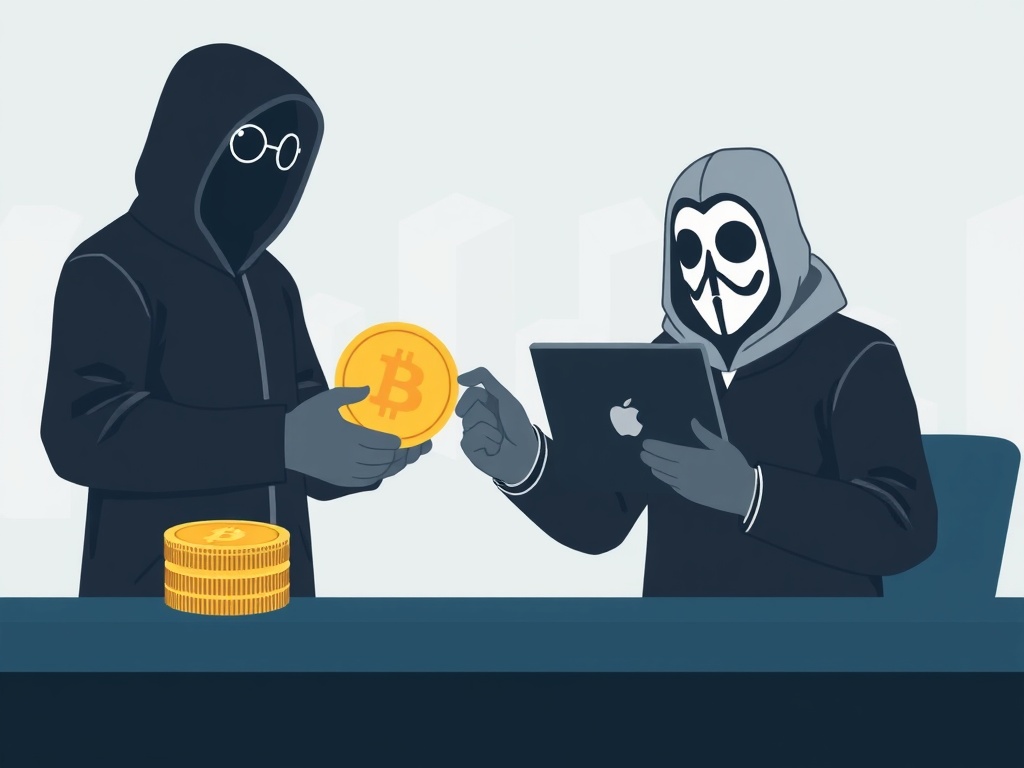
Understanding Anonymous Crypto Transfers: Privacy, Security, and Best Practices in 2024
In an era where digital privacy is increasingly under threat, anonymous crypto transfers have emerged as a critical tool for individuals seeking to protect their financial transactions from prying eyes. Whether you're a privacy advocate, a business owner, or simply someone who values discretion in financial dealings, understanding how to conduct anonymous crypto transfers securely and effectively is essential. This comprehensive guide explores the mechanisms, benefits, risks, and best practices associated with anonymous crypto transfers, with a focus on the BTCmixer ecosystem and similar platforms.
The concept of anonymous crypto transfers revolves around obscuring the origin, destination, and amount of cryptocurrency transactions to prevent third parties—including governments, hackers, and corporations—from tracking or linking transactions to specific individuals. While Bitcoin and other cryptocurrencies are often touted as "anonymous," they are, in reality, pseudonymous. Every transaction is recorded on a public ledger (the blockchain), which means that with enough effort, transactions can be traced back to individuals. This is where anonymous crypto transfers come into play, offering a layer of privacy that traditional cryptocurrency transactions cannot provide.
In this article, we'll delve into the world of anonymous crypto transfers, examining how they work, the tools and platforms available (with a special focus on BTCmixer), the legal and ethical considerations, and practical steps you can take to enhance your financial privacy. By the end, you'll have a clear understanding of how to navigate the complex landscape of anonymous crypto transfers while minimizing risks and maximizing security.
The Fundamentals of Anonymous Crypto Transfers
What Are Anonymous Crypto Transfers?
Anonymous crypto transfers refer to the process of sending and receiving cryptocurrency in a way that conceals the identities of the parties involved, as well as the transaction details. Unlike traditional banking systems, where transactions are tied to personal identities, anonymous crypto transfers leverage various techniques to break the link between wallet addresses and real-world identities.
At their core, anonymous crypto transfers rely on a combination of cryptographic methods and external services designed to obfuscate transaction trails. These methods include:
- Coin mixing (or tumbling): A process where multiple transactions are combined and redistributed to obscure the flow of funds.
- Stealth addresses: One-time addresses generated for each transaction to prevent address reuse and tracking.
- Ring signatures: A cryptographic technique that allows a transaction to be signed by a group of possible signers, making it difficult to determine the actual sender.
- Zero-knowledge proofs: Advanced cryptographic methods that allow verification of transaction validity without revealing sensitive information.
While Bitcoin and Ethereum do not natively support these features, third-party services and privacy-focused cryptocurrencies (like Monero or Zcash) have been developed to fill this gap. However, for users who prefer to stick with Bitcoin or other major cryptocurrencies, anonymous crypto transfers can still be achieved through external mixing services like BTCmixer.
Why Are Anonymous Crypto Transfers Important?
The importance of anonymous crypto transfers cannot be overstated in today's digital age. Here are some key reasons why individuals and businesses prioritize financial privacy:
- Protection against surveillance: Governments and corporations increasingly monitor financial transactions for tax evasion, money laundering, or other illicit activities. Anonymous crypto transfers help individuals avoid unwarranted scrutiny.
- Security against hacking: Publicly visible transactions can make users targets for hackers who may attempt to trace and steal funds. By using anonymous crypto transfers, you reduce the risk of being targeted.
- Financial freedom: In countries with strict capital controls or oppressive regimes, anonymous crypto transfers provide a lifeline for moving wealth without government interference.
- Business confidentiality: Companies often need to keep their financial dealings private to maintain a competitive edge or protect sensitive information. Anonymous crypto transfers allow businesses to conduct transactions discreetly.
- Personal privacy: Many people simply value their right to privacy and do not wish to share their financial history with the world. Anonymous crypto transfers empower individuals to take control of their financial data.
Despite these benefits, it's crucial to recognize that anonymous crypto transfers are not a magic bullet. They require careful planning, an understanding of the tools available, and an awareness of the legal and ethical implications. In the following sections, we'll explore how these transfers work in practice and the platforms that facilitate them.
How Do Anonymous Crypto Transfers Work?
The mechanics of anonymous crypto transfers vary depending on the method used, but the overarching goal remains the same: to sever the link between the sender and receiver. Below, we break down the most common techniques employed in anonymous crypto transfers.
1. Coin Mixing (Tumbling):
Coin mixing is one of the most popular methods for achieving anonymous crypto transfers. It involves sending your cryptocurrency to a mixing service, which pools it with funds from other users. The service then redistributes the mixed funds to the intended recipients, making it nearly impossible to trace the original source of the funds.
For example, if you send 1 BTC to a mixing service, the service might break it into smaller denominations (e.g., 0.1 BTC chunks) and combine it with funds from other users. These chunks are then sent to different addresses, further obscuring the transaction trail. The recipient receives the funds without any direct link to your original wallet.
Services like BTCmixer specialize in this process, offering users a straightforward way to mix their Bitcoin and other cryptocurrencies. The process typically involves:
- Deposit: You send your cryptocurrency to the mixing service's address.
- Mixing: The service combines your funds with those of other users and shuffles them.
- Distribution: The mixed funds are sent to the destination addresses you specify, often with delays to further enhance privacy.
2. Stealth Addresses:
Stealth addresses are a feature primarily associated with privacy-focused cryptocurrencies like Monero. However, they can also be used in conjunction with Bitcoin through certain wallets and services. A stealth address is a one-time address generated for each transaction, which prevents address reuse and makes it difficult for third parties to link transactions to a single wallet.
For anonymous crypto transfers using stealth addresses, the sender generates a unique address for the recipient each time they send funds. This address is only known to the sender and recipient, and it cannot be linked to the recipient's public wallet address. Once the funds are sent to the stealth address, they are automatically forwarded to the recipient's main wallet, but the transaction trail remains obscured.
3. Ring Signatures:
Ring signatures are a cryptographic technique used in privacy-focused cryptocurrencies like Monero. They allow a transaction to be signed by a group of possible signers, making it impossible to determine which member of the group actually authorized the transaction. This adds a layer of anonymity to the sender's identity.
While ring signatures are not natively supported by Bitcoin, they can be simulated to some extent through coin mixing services. By combining funds from multiple users, these services create a "ring" of possible senders, making it challenging to trace the origin of a transaction.
4. Zero-Knowledge Proofs:
Zero-knowledge proofs (ZKPs) are advanced cryptographic methods that allow one party to prove the validity of a transaction without revealing any sensitive information. In the context of anonymous crypto transfers, ZKPs can be used to verify that a transaction is legitimate (e.g., that the sender has sufficient funds) without disclosing the sender's identity or the transaction amount.
Zcash is a prime example of a cryptocurrency that uses ZKPs to enable anonymous crypto transfers. Transactions on the Zcash blockchain are either "transparent" (similar to Bitcoin) or "shielded" (using ZKPs to hide transaction details). Shielded transactions provide a high level of privacy, as they conceal the sender, receiver, and amount.
While Bitcoin does not natively support ZKPs, there are proposals and projects (such as the Lightning Network with certain privacy enhancements) that aim to incorporate similar technologies to improve transaction privacy.
BTCmixer: A Closer Look at One of the Leading Mixing Services
What Is BTCmixer?
BTCmixer is a well-established cryptocurrency mixing service designed to help users achieve anonymous crypto transfers by obscuring the origin and destination of their Bitcoin transactions. As one of the pioneers in the crypto mixing space, BTCmixer has built a reputation for reliability, security, and user-friendly features. The platform allows users to send Bitcoin to a mixing pool, where it is combined with funds from other users before being redistributed to the intended recipients. This process effectively breaks the on-chain link between the sender and receiver, enhancing privacy.
BTCmixer supports a variety of cryptocurrencies beyond Bitcoin, including Ethereum, Litecoin, and Dash, making it a versatile option for users seeking anonymous crypto transfers across multiple assets. The service is accessible via its website, and the mixing process can be completed in a matter of minutes, depending on network congestion and the user's chosen settings.
How Does BTCmixer Work?
Using BTCmixer to facilitate anonymous crypto transfers is a straightforward process, but it's essential to understand the steps involved to ensure optimal privacy and security. Below is a detailed breakdown of how BTCmixer operates:
Step 1: Access the Platform
To begin, visit the BTCmixer website and navigate to the mixing interface. The platform is designed to be intuitive, with clear instructions for users at every stage. Before proceeding, ensure you're using a secure internet connection (preferably via a VPN or Tor) to prevent potential eavesdropping or tracking.
Step 2: Enter Transaction Details
Once on the platform, you'll need to input the following details to initiate the mixing process:
- Source Wallet Address: The address from which you will send your cryptocurrency to BTCmixer.
- Destination Wallet Address(es): The address(es) where you want the mixed funds to be sent. You can specify multiple addresses to further obscure the transaction trail.
- Mixing Fee: BTCmixer charges a fee for its services, typically ranging from 1% to 3% of the transaction amount. This fee covers the operational costs of the mixing service and compensates the platform for its role in facilitating anonymous crypto transfers.
- Delay Options: BTCmixer allows users to set a delay between the mixing process and the distribution of funds. This delay can range from a few minutes to several hours, adding an extra layer of privacy by making it harder to correlate the input and output transactions.
- Number of Mixing Rounds: Users can choose how many times their funds are mixed with other users' funds. More mixing rounds increase privacy but may also result in higher fees and longer processing times.
Step 3: Send Funds to the Mixing Address
After configuring your transaction details, BTCmixer will generate a unique deposit address for you to send your cryptocurrency. It's crucial to double-check this address to ensure accuracy, as sending funds to the wrong address could result in permanent loss. Once you've confirmed the address, send the specified amount of cryptocurrency to it.
Step 4: Wait for the Mixing Process
Once BTCmixer receives your funds, the mixing process begins. During this phase, your cryptocurrency is combined with funds from other users, and the platform shuffles the transactions to obscure the original source. The duration of this process depends on the number of mixing rounds you've selected and the current network congestion.
Step 5: Receive Mixed Funds
After the mixing process is complete, BTCmixer will distribute the funds to the destination address(es) you provided. Due to the delay options and mixing rounds, the funds may arrive in batches over a period of time, further enhancing privacy. Once the transaction is confirmed on the blockchain, the anonymous crypto transfers are complete.
Key Features of BTCmixer
BTCmixer stands out among mixing services due to its robust features and commitment to user privacy. Below are some of the platform's most notable attributes:
- No-Logs Policy: BTCmixer does not store logs of user transactions or IP addresses, ensuring that your activity remains confidential. This policy is critical for maintaining the anonymity of anonymous crypto transfers.
- User-Friendly Interface: The platform is designed with simplicity in mind, making it accessible to both beginners and experienced users. Clear instructions and a straightforward process reduce the risk of user error.
- Customizable Mixing Options: Users can tailor the mixing process to their needs by adjusting parameters such as delay times, mixing rounds, and destination addresses. This flexibility allows for a balance between privacy and convenience.
- Multi-Currency Support: In addition to Bitcoin, BTCmixer supports other popular cryptocurrencies, including Ethereum, Litecoin, and Dash. This versatility makes it a one-stop solution for users seeking anonymous crypto transfers across multiple assets.
- Transparent Fee Structure: BTCmixer's fees are clearly outlined on the platform, with no hidden costs. The fee structure is designed to be fair and competitive, ensuring that users get value for their money.
- No Registration Required: Unlike some financial services, BTCmixer does not require users to create an account or provide personal information. This further enhances privacy and reduces the risk of data leaks.
- High Liquidity: BTCmixer maintains a large pool of funds to ensure that mixing transactions are processed quickly and efficiently. High liquidity minimizes the risk of delays or failed transactions.
Pros and Cons of Using BTCmixer for Anonymous Crypto Transfers
Like any service, BTCmixer has its advantages and drawbacks. Understanding these can help you make an informed decision about whether it's the right tool for your anonymous crypto transfers.
Pros:
- Enhanced Privacy: BTCmixer's primary function is to obscure transaction trails, making it an effective tool for achieving anonymous crypto transfers.
- No Personal Information Required: The platform does not ask for your identity, email, or other personal details, reducing the risk of data exposure.
- User Control: You have full control over the mixing process, including the ability to set delays and choose destination addresses.
- Multi-Currency Support: BTCmixer's support for multiple cryptocurrencies makes it a versatile option for users with diverse portfolios.
- No Registration Needed: The lack of a mandatory account setup streamlines the process and minimizes the risk of account-related breaches.
Cons:
- Centralization Risks: BTCmixer operates as a centralized service, which means it could potentially be compromised or shut down by authorities. While the platform has a no-logs policy, the risk of centralization remains a concern for some users.
- Fees: While BTCmixer's fees are reasonable, they can add up for large transactions. Users should factor in these costs when planning their anonymous crypto transfers.
- Potential for Scams: The cryptocurrency space is rife with scams, and mixing services are no exception. Users must exercise caution to ensure they are using a legitimate and reputable service like BTCmixer.
- Regulatory Uncertainty: The legal status of mixing services varies by jurisdiction. In some countries, using such services may attract scrutiny from authorities, particularly if they are associated with illicit activities.
- Transaction Delays: While delays can enhance privacy, they may also be inconvenient for users who need their funds to arrive quickly.
Is BTCmixer Safe and Legitimate?
Safety and legitimacy are paramount when choosing a service for anonymous crypto transfers. BTCmixer has established itself as a reputable player in the crypto mixing space, but it's essential to evaluate its safety and legitimacy independently. Here are some factors to consider:
- Reputation: BTCmixer has been operating since 2016 and has built a strong reputation within
 Emily ParkerCrypto Investment Advisor
Anonymous Crypto Transfers: A Double-Edged Sword in Modern Finance
As a cryptocurrency investment advisor with over a decade of experience, I've witnessed the evolution of anonymous crypto transfers from a niche privacy feature to a mainstream financial tool. These transactions, which obscure sender and receiver identities, offer legitimate benefits for privacy-conscious investors while simultaneously raising regulatory concerns. The technology behind anonymous transfers, including zero-knowledge proofs and coin mixing services, has become increasingly sophisticated, making it harder for third parties to trace transaction flows.
However, the practical implementation of anonymous crypto transfers requires careful consideration of both opportunities and risks. While these transactions can protect legitimate users from surveillance and potential targeting, they also present challenges for compliance with anti-money laundering (AML) regulations. I advise my clients to understand that while privacy is valuable, complete anonymity in crypto transactions may limit their ability to interact with regulated financial institutions and could potentially flag their activities for additional scrutiny. The key is finding a balanced approach that respects privacy needs while maintaining compliance with evolving regulatory frameworks.