Blog · Apr 14, 2026 · 13 min read
Understanding Bitcoin Mixing Services: Enhancing Privacy and Security in Cryptocurrency Transactions

Understanding Bitcoin Mixing Services: Enhancing Privacy and Security in Cryptocurrency Transactions
In the rapidly evolving world of cryptocurrency, privacy and security remain paramount concerns for users. As Bitcoin continues to dominate the digital currency landscape, the need for anonymity in transactions has led to the emergence of bitcoin mixing services. These services, also known as Bitcoin tumblers or cryptocurrency mixers, play a crucial role in safeguarding user identities and financial activities from prying eyes. This comprehensive guide explores the intricacies of bitcoin mixing services, their benefits, risks, and how they function within the broader ecosystem of digital finance.
Whether you're a seasoned cryptocurrency investor or a newcomer to the space, understanding bitcoin mixing services can help you make informed decisions about protecting your financial privacy. This article delves into the technical aspects, legal considerations, and practical applications of these services, providing you with the knowledge needed to navigate the complex world of Bitcoin transactions with confidence.
---The Fundamentals of Bitcoin Mixing Services
What Is a Bitcoin Mixing Service?
A bitcoin mixing service is a platform designed to enhance the privacy of Bitcoin transactions by obfuscating the link between the sender and receiver addresses. When you use a Bitcoin wallet, every transaction is recorded on the public blockchain, making it possible for anyone to trace the flow of funds from one address to another. This transparency, while beneficial for security and auditing, can compromise user privacy, especially in scenarios where financial activities need to remain confidential.
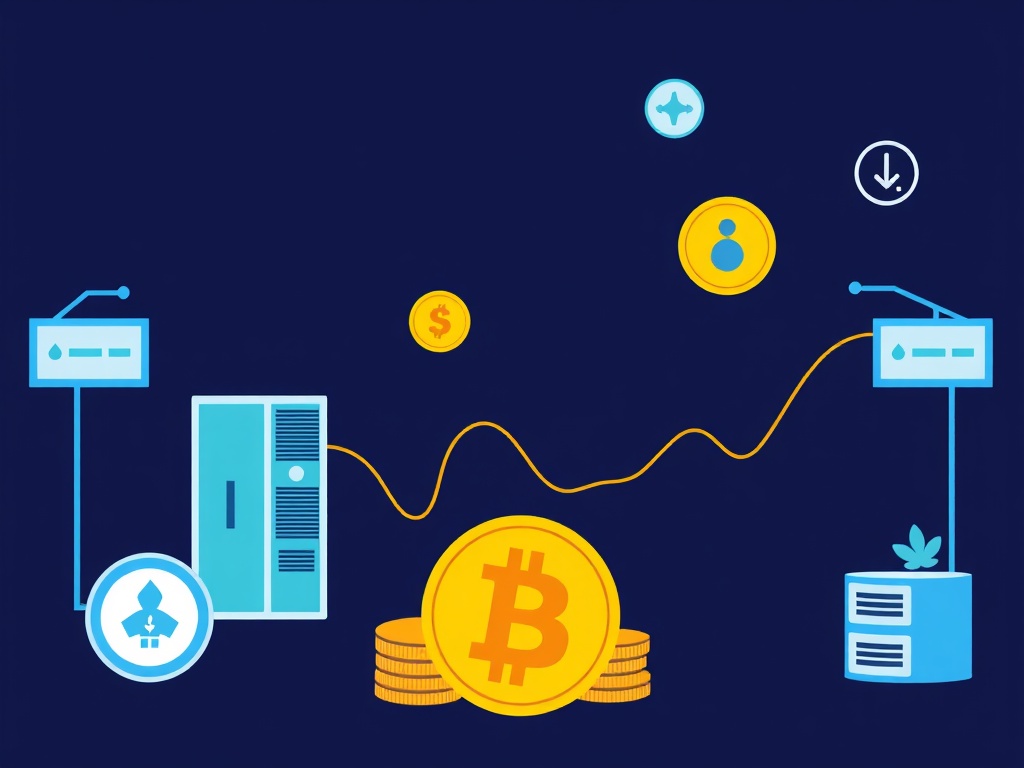
A bitcoin mixing service works by taking your Bitcoins and mixing them with those of other users. The service then sends back an equivalent amount of Bitcoin to a new address you specify, effectively breaking the traceable link between your original and destination addresses. This process is akin to pouring different colored liquids into a container, shaking them up, and then pouring them back into separate containers—each new container contains a mix of the original liquids, making it impossible to determine which liquid came from which original container.
How Bitcoin Mixing Services Operate
The operation of a bitcoin mixing service involves several key steps, each designed to ensure that the transaction remains untraceable and secure:
- Deposit: You send your Bitcoins to the mixing service's address. This is typically a unique address provided by the service for each transaction to avoid linking your identity to the mixing process.
- Mixing: The service pools your Bitcoins with those of other users. This mixing process can involve multiple rounds of transactions to further obscure the origin of the funds.
- Distribution: After the mixing is complete, the service sends an equivalent amount of Bitcoin to the address you specify. The Bitcoins you receive are not the same as those you sent, as they have been mixed with others, making it difficult to trace the transaction back to you.
Some advanced bitcoin mixing services incorporate additional features such as:
- Delayed Transactions: Introducing delays between the mixing rounds to make it harder for blockchain analysts to track the flow of funds.
- Custom Fees: Allowing users to pay higher fees for faster mixing or lower fees for a more thorough mixing process.
- Multi-Signature Addresses: Using multi-signature wallets to enhance security and prevent theft or fraud.
The Role of Bitcoin Mixing Services in Cryptocurrency Privacy
The primary role of a bitcoin mixing service is to provide financial privacy. In a world where digital transactions are increasingly scrutinized, maintaining anonymity can be crucial for several reasons:
- Protection Against Surveillance: Governments, corporations, and malicious actors may attempt to monitor Bitcoin transactions for various purposes, including tracking spending habits, identifying wealthy individuals, or targeting specific groups. A bitcoin mixing service helps shield users from such surveillance.
- Preventing Address Clustering: Blockchain analysis tools can cluster addresses based on transaction patterns, potentially linking multiple addresses to a single user. Mixing services break these clusters by introducing unrelated transactions into the mix.
- Enhancing Security: By obfuscating transaction trails, bitcoin mixing services reduce the risk of targeted attacks, such as phishing or hacking, which often rely on tracing transaction histories to identify vulnerable targets.
While Bitcoin was designed with pseudonymity in mind, the public nature of its blockchain means that transactions are not entirely anonymous. A bitcoin mixing service bridges this gap by providing a layer of privacy that aligns with the original intent of cryptocurrency—to offer a decentralized and private financial system.
---Why Use a Bitcoin Mixing Service? Exploring the Benefits
Enhanced Financial Privacy
One of the most compelling reasons to use a bitcoin mixing service is to enhance your financial privacy. Unlike traditional banking systems, where transactions are private and accessible only to authorized parties, Bitcoin transactions are publicly recorded on the blockchain. This transparency, while beneficial for transparency and security, can expose your financial activities to anyone with access to blockchain explorer tools.
A bitcoin mixing service mitigates this issue by breaking the direct link between your sending and receiving addresses. For example, if you frequently transact with a business or individual, a bitcoin mixing service can prevent them from tracking your spending habits or financial history. This is particularly important for individuals who value their privacy, such as high-net-worth individuals, journalists, or activists operating in restrictive environments.
Protection Against Blockchain Analysis
Blockchain analysis firms and law enforcement agencies use sophisticated tools to trace Bitcoin transactions. These tools can identify patterns, cluster addresses, and even deanonymize users by linking transactions to real-world identities. A bitcoin mixing service disrupts these analysis efforts by introducing noise into the transaction graph.
For instance, if you send Bitcoin from Address A to Address B, a blockchain analyst can easily trace this transaction. However, if you use a bitcoin mixing service, your Bitcoins are first sent to the mixing service's address, then redistributed to multiple addresses before finally reaching your intended destination. This multi-step process makes it nearly impossible for analysts to trace the original source of the funds.
Mitigating Risks of Targeted Attacks
Publicly linking your Bitcoin addresses to your identity can expose you to various risks, including targeted attacks such as:
- Phishing Scams: Attackers may use transaction histories to craft personalized phishing emails or messages, tricking you into revealing sensitive information.
- Extortion: If your Bitcoin holdings are publicly known, you may become a target for extortion attempts, especially if you are perceived as wealthy.
- Physical Theft: In extreme cases, individuals with knowledge of your Bitcoin holdings may attempt to steal your funds through physical means, such as robbery or coercion.
A bitcoin mixing service helps mitigate these risks by severing the connection between your identity and your Bitcoin addresses. By using a mixing service, you can reduce the likelihood of becoming a target for malicious actors who rely on publicly available transaction data.
Compliance with Privacy Regulations
While Bitcoin transactions are pseudonymous, they are not entirely anonymous. In some jurisdictions, financial regulators require businesses and individuals to comply with anti-money laundering (AML) and know-your-customer (KYC) regulations. A bitcoin mixing service can help users comply with these regulations by providing a layer of privacy that aligns with legal requirements.
For example, if you are a business owner who needs to transact in Bitcoin but must comply with AML regulations, using a bitcoin mixing service can help you maintain privacy while ensuring that your transactions do not inadvertently violate regulatory guidelines. However, it's important to note that some jurisdictions may have specific laws regarding the use of mixing services, so users should always research local regulations before proceeding.
Use Cases for Bitcoin Mixing Services
The versatility of bitcoin mixing services makes them suitable for a wide range of use cases, including:
- Personal Privacy: Individuals who wish to keep their financial activities private, such as those who do not want their spending habits exposed to the public.
- Business Transactions: Companies that need to transact in Bitcoin while maintaining the confidentiality of their financial dealings, such as suppliers or contractors.
- High-Value Transactions: Individuals or entities transferring large amounts of Bitcoin, where the risk of targeted attacks or surveillance is higher.
- Censorship Resistance: Users in countries with strict financial censorship who need to bypass restrictions and transact freely.
- Estate Planning: Individuals who wish to distribute Bitcoin to heirs without revealing the full extent of their holdings to the public.
How to Choose a Reliable Bitcoin Mixing Service
Key Factors to Consider
Not all bitcoin mixing services are created equal. When selecting a mixing service, it's essential to evaluate several factors to ensure that you choose a reliable and secure platform. Here are the key considerations to keep in mind:
Reputation and Trustworthiness
The reputation of a bitcoin mixing service is one of the most critical factors to consider. Look for services that have been in operation for several years and have a proven track record of reliability. User reviews, testimonials, and community forums can provide valuable insights into the trustworthiness of a mixing service. Avoid services with a history of scams, hacks, or poor customer support.
Some well-known and reputable bitcoin mixing services include:
- Wasabi Wallet: A privacy-focused Bitcoin wallet that includes a built-in mixing feature called CoinJoin.
- Samourai Wallet: Another privacy-centric wallet that offers a mixing service called Whirlpool.
- Bitcoin Fog: One of the oldest and most well-known mixing services, though it has faced legal challenges in the past.
- ChipMixer: A service that emphasizes user anonymity and security, though it has also faced regulatory scrutiny.
Security Measures
Security is paramount when using a bitcoin mixing service, as you are entrusting the service with your funds. Look for platforms that implement robust security measures, such as:
- Multi-Signature Wallets: Services that use multi-signature addresses require multiple approvals to access funds, reducing the risk of theft.
- Encrypted Communications: Platforms that use secure communication channels, such as Tor or encrypted emails, to protect user data.
- No-Logs Policy: Services that do not store user data or transaction logs, ensuring that your mixing activities remain private even if the service is compromised.
- Two-Factor Authentication (2FA): Additional layers of security to prevent unauthorized access to your account.
Transparency and Fees
Transparency is crucial when evaluating a bitcoin mixing service. Look for platforms that provide clear information about their fees, mixing processes, and security measures. Avoid services that are vague about their operations or charge exorbitant fees.
Typically, bitcoin mixing services charge a fee ranging from 1% to 3% of the transaction amount. Some services may also charge a fixed fee or offer tiered pricing based on the level of privacy you require. While it's tempting to choose the cheapest option, remember that lower fees may come at the cost of security or reliability. Always prioritize quality and reputation over cost savings.
User Interface and Experience
A user-friendly interface can make the mixing process smoother and more efficient. Look for services that offer intuitive dashboards, clear instructions, and responsive customer support. Some mixing services provide additional features, such as:
- Custom Delays: The ability to set delays between mixing rounds to enhance privacy.
- Multiple Output Addresses: The option to split your mixed Bitcoins into multiple addresses for added anonymity.
- API Integration: For advanced users who wish to automate the mixing process.
Legal and Regulatory Compliance
While the primary goal of a bitcoin mixing service is to provide privacy, it's essential to consider the legal and regulatory environment in your jurisdiction. Some countries have strict laws regarding the use of mixing services, particularly in the context of anti-money laundering (AML) and counter-terrorism financing (CTF) regulations.
Before using a mixing service, research the legal landscape in your country to ensure compliance. In some cases, using a mixing service may attract unwanted attention from authorities, especially if the service has been flagged for suspicious activity. Always exercise caution and consult with a legal professional if you are unsure about the legality of using a mixing service in your region.
Step-by-Step Guide to Using a Bitcoin Mixing Service
Once you've selected a reliable bitcoin mixing service, the next step is to use it effectively. Below is a step-by-step guide to help you navigate the mixing process:
- Choose Your Mixing Service: Select a reputable mixing service based on the factors discussed above. Ensure that the service supports the amount of Bitcoin you wish to mix.
- Set Up Your Wallet: Create a new Bitcoin wallet address where you will receive the mixed Bitcoins. Avoid using an address that has been previously linked to your identity or transactions.
- Access the Mixing Service: Visit the mixing service's website. Some services may require you to use Tor or a VPN to access their platform securely.
- Generate a Deposit Address: The mixing service will provide you with a unique deposit address. This address is typically temporary and changes with each transaction to prevent linking your identity to the mixing process.
- Send Your Bitcoins: Transfer the desired amount of Bitcoin to the deposit address provided by the mixing service. Double-check the address to ensure accuracy.
- Specify Your Output Address: Enter the address where you wish to receive the mixed Bitcoins. For added privacy, consider using a new address that has not been used before.
- Configure Mixing Parameters: Some services allow you to customize the mixing process, such as setting delays or choosing the number of mixing rounds. Adjust these parameters based on your privacy needs.
- Pay the Mixing Fee: Most services charge a fee for their services. Pay the fee using the method specified by the service, which may include Bitcoin or other cryptocurrencies.
- Wait for Confirmation: The mixing process may take some time, depending on the service and the number of confirmations required. Be patient and avoid checking the transaction status too frequently.
- Receive Your Mixed Bitcoins: Once the mixing process is complete, the service will send the mixed Bitcoins to your specified output address. Verify the transaction on the blockchain to ensure that the funds have been received.
- Monitor for Security: After receiving your mixed Bitcoins, monitor your wallet for any suspicious activity. If you notice any issues, contact the mixing service's customer support immediately.
Potential Risks and Challenges of Bitcoin Mixing Services
Scams and Fraudulent Services
One of the most significant risks associated with bitcoin mixing services is the prevalence of scams and fraudulent platforms. The anonymous nature of Bitcoin and the lack of regulation in the cryptocurrency space make it easy for malicious actors to create fake mixing services designed to steal user funds. These scams often promise high levels of privacy and low fees but disappear with users' Bitcoins once the transaction is complete.
To avoid falling victim to a scam, always conduct thorough research before using a mixing service. Look for platforms with a proven track record, positive user reviews, and transparent operations. Be wary of services that:
- Lack clear contact information or customer support.
- Have a history of negative reviews or complaints.
- Require excessive personal information or KYC verification.
- Promise unrealistic levels of privacy or guaranteed anonymity.
Regulatory Scrutiny and Legal Risks
Another challenge associated with bitcoin mixing services is regulatory scrutiny. Governments and financial authorities around the world are increasingly cracking down on services that facilitate anonymous transactions, particularly those that may be used for illicit activities such as money laundering or terrorism financing.
In recent years, several high-profile mixing services have faced legal challenges, including:
- Bitcoin Fog: A long-standing mixing service that was shut down by U.S. authorities in 2021 on charges of money laundering.
- Helix: A darknet market mixer that was seized by
 Emily ParkerCrypto Investment Advisor
The Role and Risks of Bitcoin Mixing Services in Modern Crypto Investing
As a certified financial analyst with over a decade of experience in cryptocurrency investment strategies, I’ve seen firsthand how tools like bitcoin mixing services can be both a double-edged sword and a necessary evil in the digital asset ecosystem. These services, often marketed as privacy-enhancing tools, allow users to obscure the origin and destination of their bitcoin transactions by mixing them with those of other users. While this can be valuable for individuals seeking financial privacy—particularly in regions with oppressive financial surveillance—it’s critical to recognize the significant risks involved. From a compliance and investment perspective, engaging with a bitcoin mixing service can raise red flags with regulators, exchanges, and institutional counterparties, potentially leading to account freezes or legal scrutiny. Investors must weigh the ethical and practical implications carefully, especially if they operate in jurisdictions with strict anti-money laundering (AML) laws.
From a practical standpoint, I advise my clients to consider alternative privacy solutions before resorting to a bitcoin mixing service. For instance, using privacy-focused wallets like Wasabi or Samourai can offer a degree of anonymity without the same level of regulatory exposure. Additionally, layer-2 solutions such as the Lightning Network can facilitate smaller, less traceable transactions. However, if privacy is a non-negotiable priority—such as for high-net-worth individuals or those in politically sensitive positions—then a reputable mixing service may be the only viable option. That said, due diligence is paramount: always opt for services with a proven track record, transparent fee structures, and no history of exit scams. Ultimately, while bitcoin mixing services can serve a legitimate purpose, they should be approached with caution and full awareness of the potential consequences.