
Blog · Apr 19, 2026 · 10 min read
Understanding Exchange KYC Identification: A Complete Guide for Crypto Users
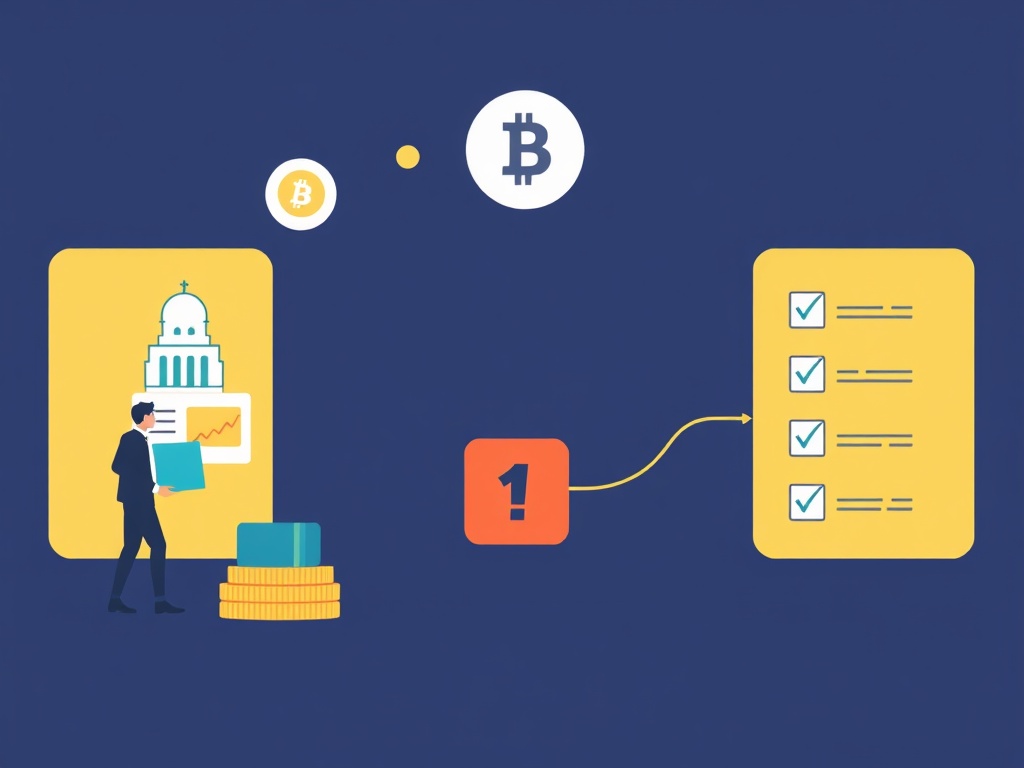
Understanding Exchange KYC Identification: A Complete Guide for Crypto Users
In the rapidly evolving world of cryptocurrency, exchange KYC identification has become a cornerstone of secure and compliant trading. As digital assets gain mainstream adoption, regulatory bodies worldwide are tightening their oversight to prevent fraud, money laundering, and other illicit activities. For crypto enthusiasts and traders, understanding exchange KYC identification is not just about compliance—it’s about safeguarding assets and ensuring seamless transactions.
This comprehensive guide explores the intricacies of exchange KYC identification, from its importance and process to common challenges and best practices. Whether you're a seasoned trader or a newcomer to the crypto space, this article will equip you with the knowledge to navigate KYC requirements confidently.
The Importance of Exchange KYC Identification in Crypto Trading
Why KYC Matters for Exchanges and Traders
Know Your Customer (KYC) identification is a mandatory process that exchanges use to verify the identity of their users. This requirement stems from global anti-money laundering (AML) and counter-terrorism financing (CTF) regulations. For exchanges, exchange KYC identification ensures they comply with legal standards and avoid hefty fines or shutdowns.
For traders, exchange KYC identification offers several benefits:
- Enhanced Security: Verified accounts reduce the risk of fraud and unauthorized access.
- Higher Withdrawal Limits: Many exchanges impose lower limits on unverified accounts, making KYC identification essential for large transactions.
- Access to Advanced Features: Some platforms restrict advanced trading tools or fiat on-ramps to verified users.
- Regulatory Compliance: Using exchanges with robust KYC identification ensures your trading activities align with legal requirements.
The Role of KYC in Combating Financial Crime
Cryptocurrency’s pseudonymous nature has historically made it attractive for illicit activities. However, exchange KYC identification acts as a deterrent by linking transactions to real-world identities. This transparency helps authorities track suspicious activities and freeze illegal funds.
Exchanges that implement strict KYC identification protocols contribute to the broader effort of legitimizing cryptocurrency as a mainstream financial asset. By adhering to these standards, they build trust with regulators, financial institutions, and the public.
How Exchange KYC Identification Works: A Step-by-Step Breakdown
Step 1: Registration and Initial Verification
When you sign up for an exchange, the first step is typically providing basic information such as your name, email address, and phone number. Some platforms may also request additional details like your date of birth or residential address.
At this stage, the exchange may perform a KYC identification check by cross-referencing your details with public databases or credit bureaus. This initial screening helps flag potential risks early in the process.
Step 2: Document Submission
The core of exchange KYC identification involves submitting official documents to verify your identity. The most commonly required documents include:
- Government-Issued ID: A passport, driver’s license, or national ID card. The document must be valid and legible.
- Proof of Address: A utility bill, bank statement, or government document dated within the last 3-6 months.
- Selfie Verification: Some exchanges require a live selfie or video to match your facial features with the ID photo.
Exchanges use advanced software to detect forgeries or tampered documents. If your submission is rejected, you’ll need to provide corrected or additional documents.
Step 3: Enhanced Due Diligence (EDD) for High-Risk Users
For users flagged as high-risk—such as those from jurisdictions with strict capital controls or known for financial crimes—exchanges may conduct enhanced due diligence as part of the KYC identification process. This could involve:
- Additional document requests (e.g., tax returns or business registration).
- Interviews or questionnaires about the source of funds.
- Ongoing monitoring of transaction patterns.
Step 4: Approval and Ongoing Monitoring
Once your documents are verified, the exchange grants you full access to its services. However, KYC identification doesn’t end here. Exchanges periodically re-verify user identities to ensure compliance with evolving regulations. This may include:
- Re-submitting documents after a set period (e.g., every 1-2 years).
- Monitoring transactions for unusual activity.
- Prompting users to update information if changes occur (e.g., a new address).
Failure to comply with these requirements can result in account suspension or freezing of funds.
Common Challenges in Exchange KYC Identification and How to Overcome Them
Document Rejection: Causes and Solutions
One of the most frustrating aspects of exchange KYC identification is document rejection. Common reasons include:
- Blurry or Cropped Images: Ensure all text on your ID and proof of address is clear and fully visible.
- Expired Documents: Always check the validity period of your ID and supporting documents.
- Mismatched Information: The name on your ID must match the name used during registration.
- Unsupported File Formats: Most exchanges accept JPEG, PNG, or PDF files. Avoid using HEIC or other uncommon formats.
To avoid delays, use a high-resolution scanner or camera and follow the exchange’s guidelines precisely. If your document is rejected, review the feedback carefully and resubmit corrected versions.
Privacy Concerns: Balancing Security and Anonymity
While KYC identification enhances security, it also raises privacy concerns. Users often worry about how exchanges store and share their personal data. To address this:
- Choose Reputable Exchanges: Opt for platforms with strong privacy policies and encryption standards.
- Limit Data Sharing: Some exchanges allow you to share minimal information with third parties. Review their data-sharing practices.
- Use Decentralized Alternatives: If privacy is a top priority, consider decentralized exchanges (DEXs) that don’t require KYC identification for basic trading.
Geographic Restrictions: Navigating Regional Limitations
Some exchanges impose KYC identification requirements only for users in certain regions, while others enforce them globally. If you’re from a restricted jurisdiction, you may face:
- Limited Access: Inability to deposit fiat currency or trade specific pairs.
- Higher Fees: Some platforms charge premium fees for users requiring additional verification.
- Alternative Solutions: Peer-to-peer (P2P) trading or using VPNs (where legal) may bypass some restrictions, but these methods come with risks.
Always check the exchange’s terms of service to understand regional limitations before signing up.
Time Delays: Speeding Up the Verification Process
The verification process can take anywhere from a few minutes to several days, depending on the exchange’s workload and your document quality. To expedite KYC identification:
- Submit Complete Documents: Double-check that all required fields are filled and documents are legible.
- Use Priority Verification: Some exchanges offer expedited verification for a fee.
- Avoid Peak Times: Submit documents during off-peak hours to reduce wait times.
If delays persist, contact the exchange’s support team for updates.
Best Practices for Successful Exchange KYC Identification
Preparing Your Documents in Advance
Before starting the KYC identification process, gather all necessary documents to avoid last-minute scrambling. Keep digital copies of:
- Your government-issued ID (passport, driver’s license, or national ID).
- A recent utility bill or bank statement (dated within the last 3 months).
- A clear, well-lit photo of yourself (for selfie verification).
Ensure all documents are in the correct format and meet the exchange’s specifications. Some platforms provide templates or guides to help you prepare.
Choosing the Right Exchange for Your Needs
Not all exchanges handle KYC identification the same way. When selecting a platform, consider:
- Verification Speed: Some exchanges verify identities within minutes, while others take days.
- Document Requirements: Compare the types of documents accepted by different exchanges.
- Privacy Policies: Opt for exchanges that prioritize data security and minimal sharing.
- User Reviews: Check community forums or review sites to gauge others’ experiences with the exchange’s KYC identification process.
Popular exchanges with streamlined KYC identification processes include Binance, Coinbase, and Kraken, though their requirements may vary.
Maintaining Compliance Over Time
Exchange KYC identification isn’t a one-time task. To stay compliant:
- Update Information Promptly: Notify the exchange of any changes to your address, name, or contact details.
- Monitor Account Activity: Regularly review your transaction history for any unusual activity that might trigger a review.
- Stay Informed About Regulations: Follow updates from regulatory bodies to anticipate changes in KYC identification requirements.
Proactive compliance ensures your account remains active and your funds accessible.
Leveraging KYC for Enhanced Trading Opportunities
Beyond compliance, a verified account opens doors to advanced trading features, such as:
- Higher Withdrawal Limits: Verified users can withdraw larger amounts of cryptocurrency or fiat currency.
- Access to Margin Trading: Some platforms require KYC identification for margin or futures trading.
- Staking and Yield Farming: Many DeFi platforms and exchanges offer staking rewards only to verified users.
- Fiat On-Ramps: Verified accounts can deposit and withdraw fiat currencies via bank transfers or credit cards.
By completing exchange KYC identification, you unlock the full potential of the platform’s offerings.
Exchange KYC Identification vs. Decentralized Alternatives
Understanding the Trade-Offs
While exchange KYC identification is standard in centralized exchanges (CEXs), decentralized exchanges (DEXs) offer a different approach. DEXs allow peer-to-peer trading without requiring identity verification, appealing to users who prioritize privacy. However, this comes with trade-offs:
| Feature | Centralized Exchanges (CEXs) | Decentralized Exchanges (DEXs) |
|---|---|---|
| KYC Requirements | Mandatory for most users | Optional (varies by platform) |
| Security | High (exchanges hold user funds) | High (users control private keys) |
| Liquidity | High (due to large user bases) | Lower (depends on user activity) |
| Regulatory Compliance | Strict (follows local laws) | Minimal (varies by jurisdiction) |
| User Experience | Beginner-friendly | More complex (requires wallet management) |
For users who value privacy and autonomy, DEXs may seem attractive. However, they lack the customer support, fiat on-ramps, and insurance protections offered by CEXs. Exchange KYC identification in CEXs provides a balance between compliance and convenience.
Hybrid Models: The Best of Both Worlds?
Some platforms are experimenting with hybrid models that combine the benefits of both CEXs and DEXs. For example:
- Non-Custodial Exchanges: These platforms allow users to trade without transferring funds to the exchange’s custody, reducing the need for KYC identification.
- Layer-2 Solutions: Some Layer-2 protocols offer KYC-free trading while maintaining compliance through other means.
- Atomic Swaps: These enable direct peer-to-peer trades without a central authority, though liquidity remains a challenge.
As the crypto landscape evolves, hybrid models may offer a middle ground for users seeking both privacy and regulatory compliance.
When to Choose KYC-Free Trading
While exchange KYC identification is becoming the norm, there are scenarios where KYC-free trading is preferable:
- Small Transactions: If you’re only trading small amounts, some platforms may not require verification.
- Privacy-Focused Trading: Users in regions with oppressive financial regulations may prefer KYC-free options.
- Testing New Platforms: Some DEXs allow limited trading without verification to attract new users.
However, users should be aware of the risks, including potential scams, lower liquidity, and lack of recourse in disputes.
Future Trends in Exchange KYC Identification
The Impact of AI and Machine Learning
Artificial intelligence (AI) and machine learning are revolutionizing exchange KYC identification by:
- Automating Document Verification: AI can quickly analyze IDs and detect forgeries with higher accuracy than manual checks.
- Enhancing Fraud Detection: Machine learning models identify suspicious patterns in user behavior, flagging potential risks before they escalate.
- Reducing False Positives: Advanced algorithms minimize unnecessary rejections by distinguishing between genuine errors and fraudulent attempts.
As AI technology improves, KYC identification processes will become faster, more accurate, and less intrusive.
Regulatory Evolution: What’s Next for KYC?
The regulatory landscape for exchange KYC identification is constantly evolving. Key trends to watch include:
- Global Standardization: Efforts like the Financial Action Task Force (FATF) Travel Rule aim to create consistent KYC standards across jurisdictions.
- Self-Sovereign Identity (SSI): Blockchain-based identity solutions allow users to control their data, sharing only what’s necessary with exchanges.
- Decentralized Identity (DID): Projects like Microsoft’s ION or Sovrin Network enable users to verify their identity without relying on centralized authorities.
- Increased Scrutiny on Privacy Coins: Exchanges may impose stricter KYC identification on privacy-focused cryptocurrencies like Monero or Zcash.
Staying ahead of these changes will be crucial for both exchanges and traders to maintain compliance.
The Role of Blockchain in KYC Compliance
Blockchain technology is poised to transform exchange KYC identification by:
- Immutable Records: Storing KYC data on a blockchain ensures it cannot be tampered with, reducing fraud risks.
- Interoperability: Users could verify their
 David ChenDigital Assets Strategist
The Critical Role of Exchange KYC Identification in Modern Digital Asset Markets
As a digital assets strategist with deep roots in both traditional finance and cryptocurrency markets, I’ve observed firsthand how exchange KYC identification has evolved from a compliance checkbox into a cornerstone of market integrity and investor protection. In an ecosystem once celebrated for its pseudonymity, the implementation of robust KYC (Know Your Customer) processes has become indispensable—not just for regulatory alignment, but for fostering institutional adoption and reducing systemic risk. Exchanges that prioritize rigorous exchange KYC identification are not only mitigating fraud and money laundering but are also building the trust required to attract large-scale capital. From my perspective, the most forward-thinking platforms are those that integrate KYC with advanced identity verification technologies, such as biometric authentication and AI-driven anomaly detection, to balance compliance with user experience.
Practically speaking, the effectiveness of exchange KYC identification hinges on its adaptability to global regulatory frameworks while maintaining operational efficiency. For instance, platforms operating across multiple jurisdictions must harmonize their KYC standards with local laws—such as FATF’s Travel Rule or the EU’s MiCA regulation—without creating friction for users. I’ve seen how exchanges that automate KYC workflows using blockchain-based identity solutions (e.g., decentralized identifiers or verifiable credentials) can reduce onboarding times by up to 70%, all while enhancing security. However, the challenge lies in ensuring these systems remain resilient against evolving threats, such as deepfake impersonation or synthetic identity fraud. My recommendation to exchanges is to treat KYC not as a static requirement but as a dynamic process, continuously refined through real-time monitoring and adaptive compliance frameworks. The future of digital asset markets will belong to those who view exchange KYC identification as a strategic asset—not a regulatory burden.