Blog · Apr 25, 2026 · 10 min read
Understanding Multisig Wallet Security: A Comprehensive Guide for Crypto Investors
Understanding Multisig Wallet Security: A Comprehensive Guide for Crypto Investors
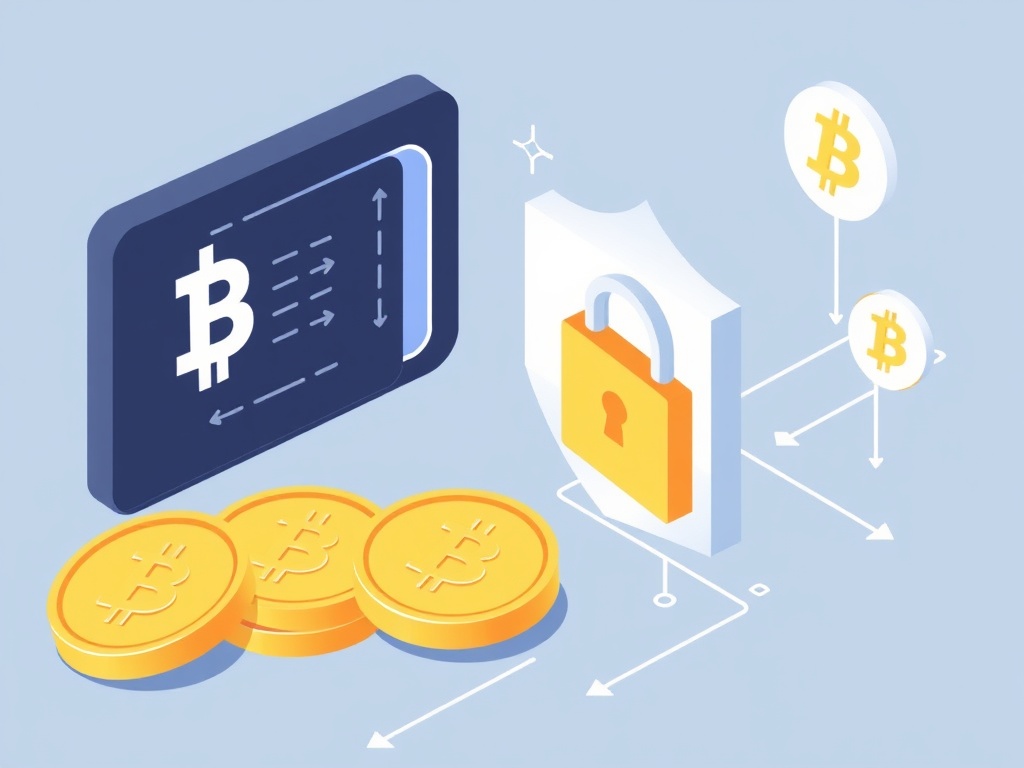
In the rapidly evolving world of cryptocurrency, multisig wallet security has emerged as a critical safeguard for digital assets. As blockchain technology becomes more sophisticated, so do the threats targeting crypto holdings. A multisignature (multisig) wallet adds an extra layer of protection by requiring multiple private keys to authorize transactions, making unauthorized access exponentially more difficult. This guide explores the intricacies of multisig wallet security, its benefits, implementation strategies, and best practices to ensure your digital wealth remains protected.
The Fundamentals of Multisig Wallet Security
Before diving into advanced strategies, it's essential to grasp the core principles of multisig wallet security. At its heart, a multisig wallet is a cryptocurrency wallet that requires two or more private keys to sign and execute transactions. This contrasts with traditional single-signature wallets, which only need one private key for authorization.
How Multisig Wallets Work
A multisig wallet operates on a simple yet powerful concept: shared control. Instead of one person having full access to funds, multiple parties must collaborate to approve transactions. This is achieved through a m-of-n setup, where:
- m represents the minimum number of signatures required to authorize a transaction
- n denotes the total number of private keys involved
For example, a 2-of-3 multisig wallet requires two out of three possible signatures to move funds. This configuration balances security and accessibility, making it ideal for both personal and institutional use.
Types of Multisig Wallet Setups
Not all multisig configurations are created equal. The most common types include:
- 2-of-2 Multisig: Requires both parties to sign for any transaction, often used in joint accounts or business partnerships.
- 2-of-3 Multisig: Offers a backup key, providing redundancy while maintaining security. Popular among crypto investors who want to protect against lost keys.
- 3-of-5 Multisig: Used in institutional settings where multiple stakeholders must approve large transactions, such as corporate treasuries.
- Custom Configurations: Some advanced users opt for unique setups like 3-of-4 or 4-of-6, tailoring security to their specific needs.
Why Multisig Wallets Enhance Security
The primary advantage of multisig wallet security is its resistance to single points of failure. Traditional wallets are vulnerable to:
- Phishing attacks targeting private keys
- Device theft or loss
- Malware compromising a single device
- Insider threats within organizations
By distributing control across multiple keys, multisig wallets mitigate these risks. Even if one key is compromised, funds remain secure until the attacker obtains the remaining required signatures.
Key Benefits of Implementing Multisig Wallet Security
Beyond basic protection, multisig wallet security offers several strategic advantages for crypto holders. Understanding these benefits can help you determine whether a multisig setup aligns with your security goals.
Protection Against Theft and Fraud
One of the most compelling reasons to adopt multisig wallet security is its ability to prevent unauthorized transactions. In a single-signature wallet, a hacker only needs to obtain one private key to drain funds. With multisig, they must compromise multiple keys—an exponentially harder task.
Consider these real-world scenarios where multisig prevents losses:
- A hacker gains access to your laptop but cannot move funds without the second key stored on your phone.
- An employee with access to company funds cannot embezzle without approval from another authorized party.
- A family member accidentally deletes their wallet backup, but the remaining keys still secure the funds.
Enhanced Control for Shared Accounts
Multisig wallets excel in collaborative environments where multiple parties need access to funds without ceding full control. Common use cases include:
- Business Partnerships: Partners can require dual approval for large transactions, preventing unilateral decisions.
- Estate Planning: Distribute keys among family members or trustees to ensure smooth inheritance without single points of failure.
- DAO Governance: Decentralized autonomous organizations use multisig to manage treasuries with community oversight.
Regulatory Compliance and Audit Trails
For institutions and businesses, multisig wallet security provides a clear audit trail and meets compliance requirements. Many financial regulations mandate separation of duties to prevent fraud. Multisig wallets naturally enforce this by requiring multiple approvals for significant transactions.
Additional compliance benefits include:
- Immutable transaction records on the blockchain
- Clear documentation of who authorized each transaction
- Reduced risk of internal fraud or errors
Flexibility in Key Management
Unlike traditional wallets, multisig solutions offer unparalleled flexibility in how you store and manage private keys. You can distribute keys across:
- Hardware wallets (Ledger, Trezor)
- Paper wallets stored in secure locations
- Mobile devices with biometric protection
- Cloud-based key shards
- Geographically distributed safe deposit boxes
This distribution strategy ensures that even if one storage method is compromised, your funds remain secure.
Implementing Robust Multisig Wallet Security: Step-by-Step Guide
Adopting multisig wallet security requires careful planning and execution. This section provides a practical roadmap for setting up and maintaining a secure multisig wallet.
Step 1: Choosing the Right Multisig Wallet Provider
Not all wallets support multisig functionality. When selecting a provider, consider these critical factors:
- Reputation: Opt for well-established providers with a track record of security.
- Supported Cryptocurrencies: Ensure the wallet supports your preferred assets.
- User Interface: A clean, intuitive interface reduces human error.
- Open-Source vs. Closed-Source: Open-source wallets allow community audits of their code.
- Backup and Recovery: Verify the provider's recovery procedures.
Popular multisig wallet providers include:
- Bitcoin Core (for Bitcoin enthusiasts)
- Electrum (supports multiple cryptocurrencies)
- Gnosis Safe (ideal for DeFi and institutional use)
- Casa (focused on Bitcoin multisig)
- Unchained Capital (for Bitcoin custody)
Step 2: Determining Your Security Threshold
The m-of-n configuration you choose directly impacts your wallet's security and usability. Consider these factors when deciding:
- Risk Tolerance: Higher m values provide more security but reduce flexibility.
- Accessibility Needs: How often will you need to move funds?
- Trust Among Participants: Do you fully trust all key holders?
- Redundancy Requirements: How many keys can you afford to lose?
For most individual users, a 2-of-3 configuration offers the best balance. Businesses handling large sums might opt for 3-of-5 or higher.
Step 3: Generating and Distributing Private Keys
Secure key generation is the foundation of multisig wallet security. Follow these best practices:
- Use Trusted Hardware: Generate keys on dedicated hardware devices like Ledger or Trezor.
- Air-Gapped Generation: For maximum security, generate keys on an offline computer.
- BIP-39 Compliance: Use standard 12 or 24-word seed phrases for compatibility.
- Unique Key Pairs: Each key should be generated independently to prevent correlation attacks.
- Secure Transmission: Use encrypted channels or physical transfer methods to distribute keys.
Step 4: Setting Up the Multisig Wallet
Once keys are generated, follow these steps to create your wallet:
- Initialize the Wallet: Use your chosen wallet software to create a new multisig wallet.
- Input Public Keys: Add the public keys from all participating parties.
- Configure Threshold: Set the required number of signatures (m).
- Test the Setup: Send a small test transaction to verify all parties can sign.
- Document the Configuration: Record the wallet address, public keys, and threshold for future reference.
Step 5: Implementing Key Storage Strategies
The way you store private keys determines your overall multisig wallet security. Consider these storage methods:
- Hardware Wallets: Store keys on dedicated devices like Ledger or Coldcard.
- Paper Wallets: Print seed phrases on high-quality paper and store in secure locations.
- Metal Backups: Engrave seed phrases on stainless steel plates for fire and water resistance.
- Split Key Storage: Divide keys among multiple secure locations (e.g., bank vault, home safe, trusted family member).
- Shamir's Secret Sharing: Advanced users can split keys into shares using cryptographic methods.
Advanced Multisig Wallet Security Strategies
For users seeking maximum protection, advanced multisig wallet security techniques can provide additional layers of defense. These strategies are particularly valuable for high-net-worth individuals, institutional investors, and crypto businesses.
Geographic Distribution of Keys
Storing all keys in one location creates a single point of failure. Geographic distribution mitigates this risk by ensuring that a natural disaster, political event, or local theft doesn't compromise your funds. Consider these approaches:
- Cross-Border Storage: Distribute keys across different countries or continents.
- Bank Safe Deposit Boxes: Use multiple banks in different regions.
- Trusted Third Parties: Work with professional custody services in various jurisdictions.
- Family Members: Assign trusted relatives in different locations as key holders.
When implementing geographic distribution, ensure you have clear legal agreements and contingency plans for accessing keys in different jurisdictions.
Time-Locked Transactions
Time locks add another dimension to multisig wallet security by introducing temporal constraints on transactions. This feature is particularly useful for:
- Preventing Hasty Decisions: Require a waiting period before large transactions are executed.
- Emergency Recovery: Implement a delayed transaction that can be canceled if unauthorized.
- Inheritance Planning: Set up time-locked transactions that release funds to heirs after a certain period.
Most modern multisig wallets support time-lock functionality through Bitcoin's nLockTime or similar features in other blockchains.
Multi-Party Computation (MPC) Integration
For the ultimate in multisig wallet security, consider integrating Multi-Party Computation (MPC) protocols. MPC allows multiple parties to jointly generate a private key and sign transactions without any single party ever seeing the complete key. Benefits include:
- Enhanced Privacy: No single party holds the complete private key.
- Reduced Key Exposure: Keys are never fully reconstructed during signing.
- Flexible Thresholds: Support for complex signing policies.
Popular MPC-based solutions include ZenGo, Fireblocks, and Qredo. While more complex to implement, MPC offers superior security for institutional and high-value users.
Hardware Security Module (HSM) Integration
For enterprise-level multisig wallet security, Hardware Security Modules (HSMs) provide military-grade protection for private keys. HSMs are specialized devices designed to:
- Generate and store cryptographic keys
- Perform signing operations without exposing keys
- Resist tampering and physical attacks
- Provide audit logging for all operations
While expensive, HSMs are ideal for:
- Crypto exchanges and custodial services
- Large institutional investors
- Blockchain development teams
- Any organization handling significant crypto assets
Social Recovery Mechanisms
Social recovery adds a human element to multisig wallet security, allowing trusted contacts to help recover access if keys are lost. This approach balances security with usability by:
- Selecting Trusted Guardians: Choose friends or family members to act as recovery contacts.
- Setting Recovery Thresholds: Determine how many guardians must approve a recovery request.
- Implementing Delays: Add waiting periods to prevent hasty recoveries.
- Testing Recovery Procedures: Regularly verify that recovery paths work as intended.
Services like Casa and Unchained Capital offer social recovery features as part of their multisig solutions.
Common Multisig Wallet Security Pitfalls and How to Avoid Them
Even with the best intentions, users often make mistakes that compromise multisig wallet security. Recognizing these pitfalls is crucial for maintaining robust protection.
Key Generation and Distribution Errors
Many security breaches stem from improper key generation and distribution. Common mistakes include:
- Using Weak Entropy: Generating keys on devices with predictable random number generators.
- Reusing Key Pairs: Using the same key pair across multiple wallets or services.
- Insecure Transmission: Sending private keys via email, messaging apps, or unencrypted channels.
- Lack of Verification: Failing to verify that all parties have correctly generated and shared their keys.
To avoid these issues:
- Use dedicated hardware devices for key generation
- Verify each key's integrity before wallet setup
- Implement multi-factor verification for key distribution
- Document and cross-check all key information
Inadequate Backup and Recovery Planning
A robust backup strategy is essential for multisig wallet security. Common backup failures include:
- Single Point of Failure: Storing all backups in one location.
- Poor Documentation: Losing the wallet configuration details.
- Outdated Backups: Failing to update backups when adding or removing key holders.
- Insecure Storage: Storing backups in easily accessible locations.
Implement these backup best practices:
- Store multiple encrypted backups in different locations
- Use Shamir's Secret Sharing for advanced key splitting
- Regularly test recovery procedures
- Document wallet configurations in secure, offline formats
- Use metal backups for long-term storage
Human Factor Vulnerabilities
No technical solution can fully address human error, which remains a significant threat to multisig wallet security. Common human vulnerabilities include:
- Phishing Attacks: Tricking key holders into revealing their private keys.
- Social Engineering: Manipulating key holders into approving unauthorized transactions.
- Key Holder Negligence: Losing devices or failing to follow security protocols.
- Collusion: Multiple key holders
 Emily ParkerCrypto Investment Advisor
Multisig Wallet Security: A Layered Defense for Your Digital Assets
As a certified financial analyst with over a decade of experience guiding investors through the complexities of digital assets, I’ve seen firsthand how multisig wallet security can be a game-changer for protecting cryptocurrency holdings. Unlike traditional single-signature wallets, multisig wallets require multiple private keys to authorize transactions, effectively distributing control and reducing the risk of a single point of failure. This approach is particularly valuable for institutional investors, high-net-worth individuals, and even savvy retail users who prioritize security without sacrificing accessibility. The key advantage lies in its resilience: even if one key is compromised, the funds remain secure behind additional layers of cryptographic protection. However, multisig wallet security isn’t a silver bullet—its effectiveness hinges on proper implementation, key management, and redundancy planning.
From a practical standpoint, multisig wallet security demands a disciplined approach to key storage and access protocols. I always advise clients to diversify key storage across multiple secure locations—such as hardware wallets, air-gapped devices, or even geographic separation—to mitigate risks like theft, natural disasters, or human error. Additionally, selecting the right threshold (e.g., 2-of-3 or 3-of-5) is critical; it should balance security with operational flexibility. For example, a 2-of-3 setup offers redundancy while still requiring collaboration for transactions, whereas a 3-of-5 setup enhances security but may introduce coordination challenges. Regular audits and stress-testing of the multisig setup are non-negotiable to ensure all parties understand their roles and the system’s fail-safes. Ultimately, multisig wallet security isn’t just about technology—it’s about a holistic strategy that combines cryptography, human discipline, and proactive risk management.