Blog · Apr 21, 2026 · 11 min read
Understanding Wrapped Token Privacy: Balancing Transparency and Anonymity in DeFi
Understanding Wrapped Token Privacy: Balancing Transparency and Anonymity in DeFi
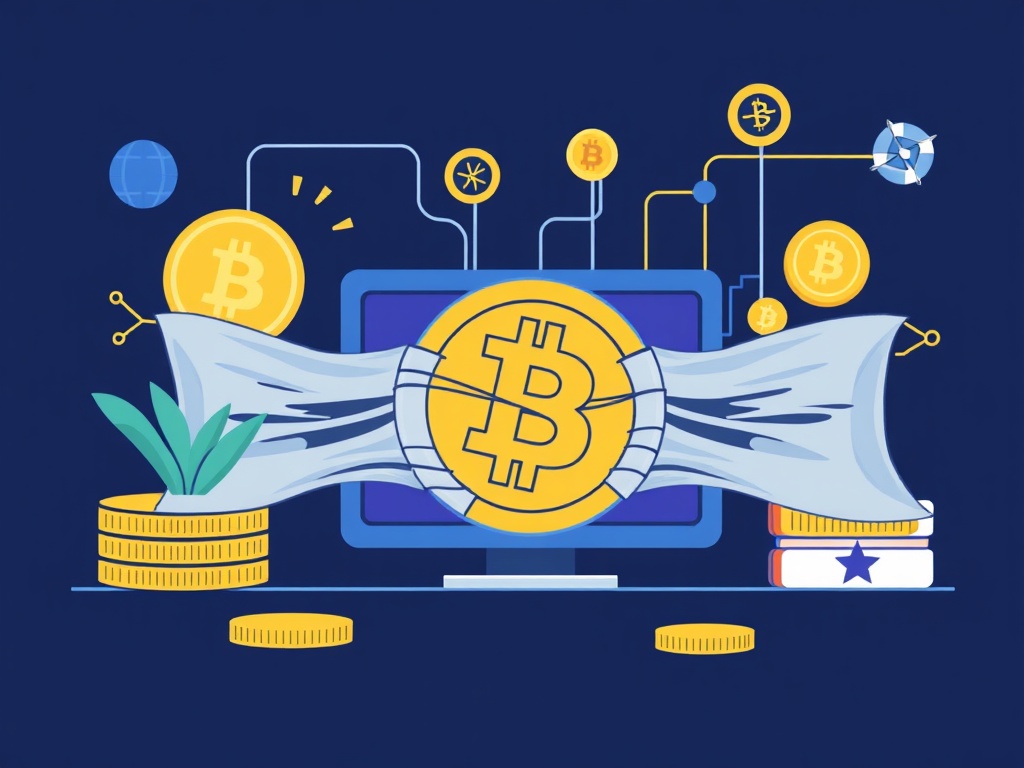
In the rapidly evolving world of decentralized finance (DeFi), wrapped token privacy has emerged as a critical topic for users seeking to maintain financial confidentiality while leveraging blockchain technology. As blockchain networks like Ethereum, Binance Smart Chain, and others continue to dominate the DeFi landscape, the need for privacy-preserving solutions has become increasingly apparent. Wrapped tokens, which represent assets from one blockchain on another, play a pivotal role in cross-chain interoperability but also introduce unique privacy considerations.
This comprehensive guide explores the concept of wrapped token privacy, its importance in the BTCmixer ecosystem, and the various strategies users can employ to enhance their financial anonymity when dealing with wrapped assets. Whether you're a seasoned DeFi trader or a newcomer to the space, understanding the nuances of wrapped token privacy is essential for navigating the complex landscape of decentralized finance securely and confidently.
The Fundamentals of Wrapped Tokens and Their Role in DeFi
What Are Wrapped Tokens?
Wrapped tokens are digital assets that represent another cryptocurrency or asset on a different blockchain. The most common example is wrapped Bitcoin (WBTC), which allows Bitcoin holders to use their BTC on the Ethereum network. This process involves locking the original asset in a smart contract and issuing an equivalent token on the destination blockchain.
For instance, when you wrap Bitcoin to create WBTC, the actual BTC is held in custody by a trusted entity (typically a merchant or DAO), while an ERC-20 token representing that BTC circulates on Ethereum. This mechanism enables Bitcoin holders to participate in Ethereum's DeFi ecosystem without selling their BTC holdings.
Why Wrapped Tokens Are Essential in Modern DeFi
Wrapped tokens serve several crucial functions in the DeFi space:
- Cross-chain interoperability: They allow assets to move between different blockchain networks, enabling users to access diverse DeFi protocols.
- Liquidity enhancement: By bringing assets like Bitcoin into Ethereum's ecosystem, wrapped tokens significantly increase liquidity for DeFi applications.
- Access to advanced financial products: Users can leverage wrapped assets for lending, borrowing, yield farming, and other sophisticated DeFi strategies.
- Reduced transaction costs: For some users, wrapping tokens can be more cost-effective than bridging entire assets between chains.
The Privacy Paradox in Wrapped Token Transactions
While wrapped tokens offer unprecedented financial flexibility, they also present a unique privacy challenge. The transparent nature of most blockchain networks means that every transaction involving wrapped tokens is publicly visible. This transparency, while beneficial for auditability and security, can compromise user privacy—especially when dealing with large transactions or sensitive financial activities.
This is where wrapped token privacy becomes a critical consideration. Users must understand how their wrapped token transactions can be traced and what measures they can take to protect their financial privacy in the DeFi ecosystem.
How Wrapped Token Privacy Works: Technical Insights
The Transparency of Blockchain Transactions
Most blockchain networks, including Ethereum and Binance Smart Chain, operate as public ledgers. This means that:
- All transactions are permanently recorded on-chain
- Transaction details (sender, receiver, amount) are visible to anyone
- Addresses can be linked to real-world identities through various analysis techniques
When you transact with wrapped tokens like WBTC or BNB, these transactions are subject to the same transparency rules as any other blockchain transaction. This transparency can reveal patterns in your financial behavior, potentially compromising your privacy.
Common Privacy Risks with Wrapped Tokens
Several privacy risks are associated with wrapped token transactions:
- Transaction linking: Sophisticated blockchain analysis tools can link multiple transactions to a single user, creating a comprehensive financial profile.
- Address clustering: When addresses interact with the same smart contracts or protocols, they can be grouped together, revealing more about a user's activities.
- Metadata exposure: Even if the actual transaction data isn't directly linked to your identity, metadata (like IP addresses or wallet connection points) can sometimes be used to infer your identity.
- Custodial risks: When using custodial wrapped tokens (where a central entity holds the original asset), you're trusting that entity with both your assets and your transaction data.
Privacy-Preserving Technologies for Wrapped Tokens
To address these privacy concerns, several technologies and techniques have been developed:
- Zero-Knowledge Proofs (ZKPs): Technologies like zk-SNARKs and zk-STARKs allow for transaction validation without revealing the actual transaction details.
- Mixers and Tumblers: Services that pool transactions together to obscure their origin and destination.
- Privacy-focused blockchains: Networks designed specifically for confidential transactions, which can be used in conjunction with wrapped tokens.
- Stealth addresses: Cryptographic techniques that generate unique addresses for each transaction, making it harder to link transactions to a single user.
- CoinJoin implementations: Protocols that combine multiple transactions into a single transaction, making it difficult to determine which input corresponds to which output.
Understanding these technologies is crucial for maintaining wrapped token privacy in your DeFi activities.
Wrapped Token Privacy in the BTCmixer Ecosystem
Introduction to BTCmixer and Its Privacy Solutions
BTCmixer has established itself as a leading privacy-focused service in the cryptocurrency space, particularly known for its Bitcoin mixing services. As the DeFi ecosystem has grown, BTCmixer has expanded its offerings to include solutions for wrapped token privacy, recognizing the increasing demand for confidential transactions involving wrapped assets.
The platform combines traditional Bitcoin mixing techniques with innovative approaches to address the unique challenges of wrapped token transactions. By leveraging a combination of centralized and decentralized techniques, BTCmixer provides users with enhanced privacy options when dealing with wrapped tokens across different blockchain networks.
How BTCmixer Enhances Wrapped Token Privacy
BTCmixer employs several strategies to improve wrapped token privacy:
- Cross-chain transaction obfuscation: The service can help obscure the trail between original assets and their wrapped counterparts across different blockchains.
- Multi-stage mixing protocols: Advanced mixing techniques that involve multiple steps and different blockchain networks to further obscure transaction trails.
- Privacy-preserving custody solutions: Options for users who want to maintain custody of their assets while still benefiting from privacy-enhancing features.
- Integration with privacy-focused protocols: Partnerships with other privacy-centric projects to provide layered privacy solutions for wrapped token transactions.
Case Study: Wrapped Bitcoin (WBTC) Privacy with BTCmixer
Consider a scenario where a user wants to convert their Bitcoin to WBTC while maintaining privacy:
- The user initiates a Bitcoin transaction to BTCmixer's mixing service.
- BTCmixer processes the transaction through multiple mixing rounds, obscuring the original source.
- The user receives clean Bitcoin, which they then wrap to WBTC through BTCmixer's privacy-preserving wrapping service.
- The WBTC is either held in a privacy-focused wallet or used in DeFi protocols with additional privacy measures.
- When the user wants to unwrap the WBTC back to Bitcoin, they use BTCmixer's reverse process to maintain privacy throughout the entire cycle.
This approach significantly enhances wrapped token privacy compared to traditional wrapping services that don't incorporate privacy-enhancing techniques.
Comparing BTCmixer's Approach to Other Privacy Solutions
While there are other privacy solutions in the market, BTCmixer's approach to wrapped token privacy offers several unique advantages:
- Specialization in Bitcoin and wrapped assets: Unlike general privacy coins, BTCmixer focuses specifically on Bitcoin and its wrapped derivatives.
- Cross-chain compatibility: The service works across multiple blockchain networks, not just Bitcoin or Ethereum.
- Regulatory compliance: BTCmixer maintains a balance between privacy and regulatory requirements, making it more accessible to users who need both.
- User-friendly interface: The platform is designed to be accessible to both technical and non-technical users.
Best Practices for Maintaining Wrapped Token Privacy
Pre-Transaction Considerations
Before engaging in any wrapped token transaction, consider the following privacy best practices:
- Assess your privacy needs: Determine how much privacy you require based on the size of your transactions and your risk tolerance.
- Choose the right wrapping service: Select services that prioritize privacy and have a proven track record in maintaining user confidentiality.
- Plan your transaction path: Map out the entire transaction flow in advance to minimize the number of hops between services that could compromise your privacy.
- Use dedicated addresses: Avoid reusing addresses, especially for large transactions involving wrapped tokens.
During the Transaction Process
While executing wrapped token transactions, keep these privacy tips in mind:
- Use privacy-focused wallets: Wallets that support features like coin control and stealth addresses can enhance your privacy.
- Enable transaction batching: Some wallets and services allow you to combine multiple transactions into a single batch, making it harder to trace individual transactions.
- Leverage VPNs and Tor: When accessing DeFi platforms or wrapping services, use privacy-enhancing tools to obscure your IP address.
- Monitor gas fees carefully: High gas fees might attract more attention to your transactions, potentially compromising your privacy.
Post-Transaction Strategies
After completing wrapped token transactions, consider these privacy maintenance steps:
- Regularly rotate addresses: Change your receiving addresses periodically to prevent address clustering analysis.
- Monitor transaction trails: Use blockchain explorers and privacy analysis tools to check if your transactions can be linked.
- Consider time delays: Introduce deliberate delays between transactions to break potential transaction chains.
- Use privacy-focused DeFi protocols: When using wrapped tokens in DeFi applications, prefer protocols that incorporate privacy-enhancing features.
Advanced Techniques for Enhanced Wrapped Token Privacy
For users with higher privacy requirements, consider these advanced strategies:
- Atomic swaps with privacy coins: Exchange wrapped tokens for privacy coins like Monero or Zcash before conducting further transactions.
- Multi-signature wallets: Use wallets that require multiple signatures for transactions, adding an additional layer of privacy.
- Decentralized mixers: Participate in decentralized mixing protocols that don't require trusting a central authority.
- Layer 2 solutions: Utilize privacy-focused Layer 2 protocols that process transactions off-chain before settling on the main chain.
- Time-locked transactions: Schedule transactions to occur at random intervals to disrupt transaction pattern analysis.
Legal and Regulatory Considerations for Wrapped Token Privacy
Understanding the Regulatory Landscape
The regulatory environment surrounding wrapped token privacy is complex and evolving. Different jurisdictions have varying approaches to cryptocurrency privacy tools:
- United States: The Financial Crimes Enforcement Network (FinCEN) has issued guidance suggesting that mixing services may be considered money transmitters, subject to registration and compliance requirements.
- European Union: The Fifth Anti-Money Laundering Directive (5AMLD) brought cryptocurrency service providers under AML regulations, potentially impacting privacy services.
- Other jurisdictions: Some countries have banned privacy coins entirely, while others have taken a more nuanced approach to privacy-enhancing technologies.
Compliance-Focused Privacy Solutions
For users who need to balance privacy with regulatory compliance, several approaches are available:
- KYC-compliant mixing services: Some services offer mixing with optional KYC procedures, allowing users to prove the legitimacy of their funds while still maintaining some privacy.
- Regulated custodial solutions: Trusted custodians that offer privacy-preserving custody services while maintaining compliance with local regulations.
- Compliance tools for DeFi: New protocols that incorporate compliance features while still offering some level of privacy for wrapped token transactions.
The Future of Wrapped Token Privacy Regulation
As governments worldwide grapple with the challenges of regulating privacy-enhancing technologies in cryptocurrency, several trends are emerging:
- Increased scrutiny: Regulators are likely to pay more attention to privacy-focused services, including those dealing with wrapped tokens.
- Technical compliance solutions: Development of technical solutions that allow for privacy while still meeting regulatory requirements (e.g., selective disclosure of transaction information).
- Industry self-regulation: The cryptocurrency industry may develop its own standards and best practices for privacy services to preempt heavy-handed regulation.
- Geographic arbitrage: Users may increasingly seek out jurisdictions with more favorable regulatory environments for privacy services.
Understanding these regulatory considerations is crucial for maintaining wrapped token privacy while staying within legal boundaries.
Future Trends and Innovations in Wrapped Token Privacy
Emerging Technologies for Enhanced Privacy
The future of wrapped token privacy looks promising, with several innovative technologies on the horizon:
- Fully homomorphic encryption: A breakthrough cryptographic technique that could allow for private computation on wrapped token transactions without revealing the underlying data.
- Confidential smart contracts: Smart contracts that execute without revealing their inputs or outputs, enabling truly private DeFi applications.
- Cross-chain privacy protocols: New protocols designed specifically to enhance privacy across multiple blockchain networks simultaneously.
- AI-driven privacy analysis: Tools that use artificial intelligence to help users identify and mitigate privacy risks in their wrapped token transactions.
The Role of Decentralized Identity in Wrapped Token Privacy
Decentralized identity solutions are poised to play a significant role in enhancing wrapped token privacy:
- Self-sovereign identity: Users can prove their identity or credentials without revealing their entire transaction history.
- Selective disclosure: Users can choose which aspects of their identity or transaction history to reveal, maintaining privacy while still complying with regulatory requirements.
- Reputation systems: Privacy-preserving reputation systems that allow users to build trust without exposing their entire transaction history.
Integration with Traditional Financial Systems
As DeFi and traditional finance continue to converge, new opportunities for wrapped token privacy are emerging:
- Privacy-preserving institutional DeFi: Solutions that allow institutional investors to participate in DeFi while maintaining confidentiality.
- Regulated privacy tokens: New token standards that incorporate privacy features while remaining compliant with financial regulations.
- Hybrid custody solutions: Combining traditional financial custody with decentralized privacy-enhancing technologies.
Predictions for the Next 5 Years
Looking ahead, several developments are likely to shape the future of wrapped token privacy:
- Widespread adoption of privacy-preserving DeFi: More DeFi protocols will incorporate privacy features as standard offerings.
- Regulatory clarity: Governments will develop clearer frameworks for privacy-enhancing technologies in cryptocurrency.
- Interoperable privacy solutions: Privacy solutions will become more interoperable across different blockchain networks.
- User-friendly privacy tools: Privacy-enhancing technologies will become more accessible to non-technical users.
- Increased competition: More players will enter the space, driving innovation and improving user experience in wrapped token privacy.
The evolution of wrapped token privacy
 James Richardson
Senior Crypto Market Analyst
James Richardson
Senior Crypto Market Analyst
Wrapped Token Privacy: Balancing Transparency and Confidentiality in Cross-Chain Transactions
As a Senior Crypto Market Analyst with over a decade of experience in digital asset research, I’ve observed that wrapped tokens—digital assets pegged to the value of another cryptocurrency while operating on a different blockchain—have become a cornerstone of cross-chain interoperability. However, their privacy implications remain a critical yet often overlooked challenge. While wrapped tokens like Wrapped Bitcoin (WBTC) or Wrapped Ether (WETH) enhance liquidity and accessibility, they inherit the transparency of their underlying blockchains, which can expose transaction histories to public scrutiny. This lack of privacy is particularly problematic for institutional users or high-net-worth individuals who require confidentiality in their cross-chain activities. The tension between transparency and privacy in wrapped token ecosystems is not just a technical hurdle but a strategic one, demanding innovative solutions to meet evolving market demands.
From a practical standpoint, the current solutions to enhance wrapped token privacy are still in their infancy. Privacy-focused protocols like zk-SNARKs or confidential transactions, while promising, are not yet widely integrated into mainstream wrapped token frameworks. For instance, projects like zkSync or Aztec are experimenting with zero-knowledge proofs to obfuscate transaction data, but adoption remains fragmented. Institutions must weigh the trade-offs between privacy-enhanced wrapped tokens and the liquidity benefits of transparent alternatives. Additionally, regulatory scrutiny around privacy coins and anonymous transactions adds another layer of complexity, as wrapped tokens may inadvertently fall under compliance frameworks designed for fully private assets. My recommendation to market participants is to monitor developments in privacy-preserving technologies closely, as the next wave of innovation in wrapped token privacy could redefine institutional adoption and DeFi scalability.