Blog · Apr 14, 2026 · 12 min read
Understanding Encrypted Crypto Transactions: Security, Privacy, and Best Practices in 2024

Understanding Encrypted Crypto Transactions: Security, Privacy, and Best Practices in 2024
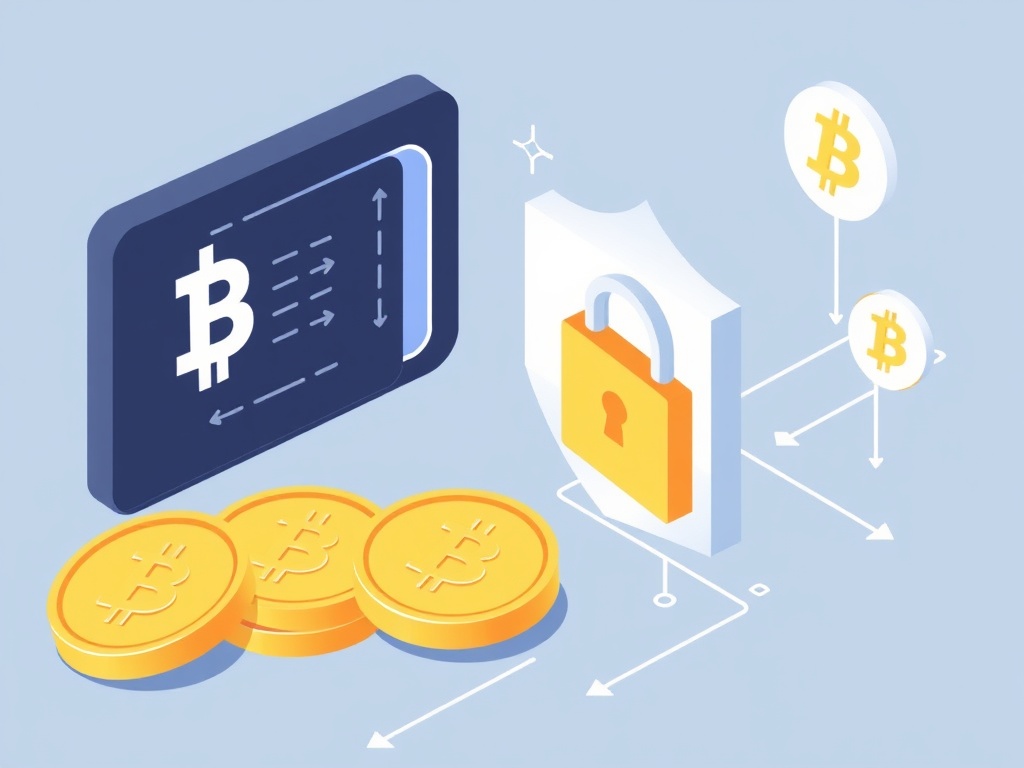
In the rapidly evolving world of digital finance, encrypted crypto transactions have become a cornerstone of secure and private financial interactions. As cryptocurrencies continue to gain mainstream adoption, the need for robust encryption methods to protect transactional data has never been more critical. Whether you're a seasoned crypto investor, a privacy-conscious trader, or simply curious about the technology behind secure digital payments, understanding encrypted crypto transactions is essential for safeguarding your assets and maintaining financial anonymity.
This comprehensive guide explores the intricacies of encrypted crypto transactions, delving into how encryption works, the role of mixers in enhancing privacy, and the best practices for ensuring your transactions remain secure in an increasingly surveillance-heavy digital landscape. By the end of this article, you'll have a clear understanding of the technologies, tools, and strategies that underpin encrypted crypto transactions and how to implement them effectively.
The Fundamentals of Encrypted Crypto Transactions
What Are Encrypted Crypto Transactions?
Encrypted crypto transactions refer to the process of securing cryptocurrency transfers using advanced cryptographic techniques. Unlike traditional financial transactions, which are often recorded in centralized databases and subject to regulatory scrutiny, crypto transactions are decentralized and rely on blockchain technology for verification. However, the transparency of public blockchains like Bitcoin and Ethereum means that transaction histories are permanently recorded and publicly accessible. This is where encryption comes into play.
Encryption in crypto transactions involves encoding transactional data so that only authorized parties can read and verify it. This is typically achieved through:
- Public-key cryptography: Each user has a public key (visible to everyone) and a private key (kept secret). Transactions are signed with the private key to prove ownership and authenticity.
- Hash functions: These convert transaction data into a fixed-size string of characters, ensuring data integrity and making it nearly impossible to alter transaction details without detection.
- Zero-knowledge proofs (ZKPs): Advanced cryptographic methods that allow one party to prove the validity of a transaction without revealing any sensitive information.
By combining these techniques, encrypted crypto transactions ensure that your financial activities remain confidential while still being verifiable on the blockchain.
Why Encryption Matters in Cryptocurrency
The importance of encryption in cryptocurrency cannot be overstated. Here’s why it’s a game-changer for users and the broader crypto ecosystem:
- Privacy Protection: Without encryption, anyone can trace your transaction history, linking your wallet address to your real-world identity. Encryption obscures this link, preserving your financial privacy.
- Security Against Hackers: Encrypted transactions are far more resistant to cyberattacks. Even if a hacker intercepts transaction data, they cannot decipher it without the encryption keys.
- Regulatory Compliance: While encryption enhances privacy, it also helps users comply with regulations like the Travel Rule, which requires financial institutions to share transaction details with authorities when necessary.
- Preventing Double-Spending: Encryption ensures that each transaction is unique and cannot be duplicated, preventing fraudulent activities like double-spending.
In essence, encrypted crypto transactions strike a balance between transparency (required for blockchain functionality) and privacy (essential for user protection).
The Role of Crypto Mixers in Enhancing Transaction Privacy
What Is a Crypto Mixer?
A crypto mixer, also known as a tumbler, is a service designed to enhance the privacy of cryptocurrency transactions by obfuscating the link between the sender and receiver. In the context of encrypted crypto transactions, mixers play a crucial role by breaking the traceable chain of transactions on the blockchain. They achieve this by pooling together funds from multiple users and redistributing them in a way that makes it nearly impossible to track the origin of any individual transaction.
Crypto mixers are particularly popular among users of privacy-focused cryptocurrencies like Monero (XMR) and Zcash (ZEC), but they are also widely used with Bitcoin (BTC) and other major cryptocurrencies. By using a mixer, you can effectively "wash" your coins, making them appear as if they came from a completely different source.
How Do Crypto Mixers Work?
The process of using a crypto mixer typically involves the following steps:
- Deposit: You send your cryptocurrency to the mixer’s address. This is often done in smaller denominations to avoid drawing attention.
- Pooling: The mixer combines your funds with those of other users, creating a large pool of mixed coins.
- Redistribution: After a set period (or when certain conditions are met), the mixer sends back an equivalent amount of cryptocurrency to the recipient address you specify. The coins you receive are not the same as the ones you sent, as they have been mixed with others in the pool.
- Fee Payment: Most mixers charge a small fee (typically 1-3%) for their services, which helps maintain the service and cover operational costs.
Some advanced mixers use additional techniques to further obscure transaction trails, such as:
- CoinJoin: A method where multiple users combine their transactions into a single transaction, making it difficult to distinguish individual inputs and outputs.
- Stealth Addresses: Used in privacy coins like Monero, these addresses ensure that transactions cannot be linked to a specific wallet.
- Ring Signatures: A cryptographic technique that allows a transaction to be signed by multiple parties without revealing which party actually authorized it.
These features make crypto mixers a powerful tool for achieving encrypted crypto transactions that are resistant to blockchain analysis.
Types of Crypto Mixers
Not all crypto mixers are created equal. They can be broadly categorized into two types: centralized and decentralized mixers.
Centralized Mixers
Centralized mixers are operated by a single entity or organization. While they are often user-friendly and offer additional features like customer support, they come with certain risks:
- Trust Dependency: You must trust the mixer operator not to steal your funds or keep logs of your transactions.
- Regulatory Risks: Centralized mixers may be subject to government regulations or shutdowns, as seen with the takedown of services like BestMixer in 2019.
- Potential for Fraud: Some centralized mixers may be scams designed to steal user funds.
Examples of centralized mixers include:
- Bitcoin Mixer: A popular Bitcoin mixer known for its ease of use and additional privacy features.
- ChipMixer: A non-custodial mixer that allows users to mix Bitcoin without requiring registration.
Decentralized Mixers
Decentralized mixers, on the other hand, operate without a central authority, reducing the risk of fraud and censorship. They leverage smart contracts and decentralized protocols to ensure transparency and security. Some notable decentralized mixers include:
- Wasabi Wallet: A privacy-focused Bitcoin wallet that integrates CoinJoin to enable encrypted crypto transactions.
- Samourai Wallet: Another privacy-centric Bitcoin wallet that offers features like Stonewall and PayJoin to enhance transaction privacy.
- Tornado Cash: A decentralized mixer built on Ethereum that uses zero-knowledge proofs to obscure transaction trails.
While decentralized mixers offer greater security and privacy, they may require more technical knowledge to use effectively.
Are Crypto Mixers Legal?
The legality of crypto mixers is a complex and often debated topic. In many jurisdictions, using a mixer for legitimate privacy purposes is not illegal. However, authorities have cracked down on mixers used for illicit activities, such as money laundering or financing terrorism. For example:
- United States: The Financial Crimes Enforcement Network (FinCEN) has stated that mixing services may be considered money transmitters, subject to anti-money laundering (AML) regulations.
- European Union: Under the Fifth Anti-Money Laundering Directive (5AMLD), crypto mixers are considered high-risk and may be subject to stricter oversight.
- China: Crypto mixers are banned outright, as the government seeks to maintain strict control over financial transactions.
It’s essential to research the legal status of crypto mixers in your country before using them. Additionally, always use reputable mixers to avoid inadvertently engaging in illegal activities.
Best Practices for Secure and Private Encrypted Crypto Transactions
Choosing the Right Wallet for Encrypted Transactions
Not all cryptocurrency wallets are created equal when it comes to supporting encrypted crypto transactions. To maximize privacy and security, consider the following types of wallets:
Hardware Wallets
Hardware wallets are physical devices that store your private keys offline, making them highly resistant to hacking attempts. Some popular hardware wallets that support encrypted transactions include:
- Ledger Nano X: Supports a wide range of cryptocurrencies and integrates with privacy-focused services like Wasabi Wallet.
- Trezor Model T: Offers advanced security features and compatibility with privacy tools like CoinJoin.
Hardware wallets are ideal for long-term storage and large transactions, as they minimize exposure to online threats.
Privacy-Focused Wallets
For users who prioritize anonymity, privacy-focused wallets offer built-in features to enhance encrypted crypto transactions. Some top choices include:
- Wasabi Wallet: A Bitcoin wallet that uses CoinJoin to mix transactions and obscure their origins.
- Samourai Wallet: Designed for Android users, this wallet offers features like Stonewall and PayJoin to improve privacy.
- Monero GUI Wallet: The official wallet for Monero, a privacy coin that uses ring signatures and stealth addresses to ensure transactional anonymity.
Mobile Wallets with Privacy Features
Mobile wallets can also support encrypted crypto transactions, provided they offer the right features. Some options to consider are:
- Edge Wallet: A mobile wallet that supports multiple cryptocurrencies and integrates with privacy tools.
- BRD Wallet: Offers built-in exchange services and supports Bitcoin transactions with added privacy layers.
When selecting a wallet, always research its privacy features, development team, and community reputation to ensure it aligns with your security needs.
Implementing CoinJoin for Enhanced Privacy
CoinJoin is one of the most effective methods for achieving encrypted crypto transactions on the Bitcoin network. It works by combining multiple transactions into a single transaction, making it difficult to trace individual inputs and outputs. Here’s how you can implement CoinJoin:
Step-by-Step Guide to Using CoinJoin
- Choose a CoinJoin Service: Select a reputable CoinJoin provider, such as Wasabi Wallet or Samourai Wallet.
- Set Up Your Wallet: Install the wallet software and ensure it supports CoinJoin. For Wasabi Wallet, this is built-in.
- Fund Your Wallet: Transfer Bitcoin to your wallet address. It’s recommended to use smaller amounts to avoid drawing attention.
- Initiate CoinJoin: Follow the wallet’s instructions to start the CoinJoin process. This may involve selecting a coordinator and specifying the number of participants.
- Wait for Confirmation: The CoinJoin process may take several hours, depending on network congestion and the number of participants.
- Receive Mixed Coins: Once the process is complete, your Bitcoin will be sent to a new address, effectively breaking the transaction trail.
Tips for Maximizing CoinJoin Effectiveness
To get the most out of CoinJoin and ensure your encrypted crypto transactions remain private, consider the following tips:
- Use Multiple Rounds: The more times you mix your coins, the harder it becomes to trace them. Aim for at least 3-5 rounds of CoinJoin.
- Avoid Large Transactions: Mixing large amounts of Bitcoin in a single transaction can make you stand out. Break larger amounts into smaller chunks.
- Use Fresh Addresses: Always generate new wallet addresses for each transaction to avoid linking your transactions together.
- Combine with Other Privacy Tools: Use features like PayJoin (available in Samourai Wallet) or Lightning Network transactions to further obscure your transaction history.
Avoiding Common Pitfalls in Encrypted Crypto Transactions
While encrypted crypto transactions offer robust privacy protections, there are several common mistakes that users make, which can compromise their anonymity. Here’s how to avoid them:
Reusing Addresses
One of the most common mistakes is reusing the same wallet address for multiple transactions. This creates a clear transaction trail that can be easily traced. Always generate a new address for each transaction to maintain privacy.
Ignoring Network Fees
While it’s tempting to use the lowest possible network fees to save money, doing so can make your transaction stand out and become a target for analysis. Use moderate fees to blend in with the crowd.
Failing to Verify Mixer Reputation
Not all crypto mixers are trustworthy. Some may be scams designed to steal your funds, while others may keep logs of your transactions. Always research a mixer’s reputation, read user reviews, and check for any history of security breaches before using it.
Combining Privacy Tools Improperly
Using multiple privacy tools in isolation may not provide the level of anonymity you expect. For example, mixing Bitcoin and then sending it to a privacy coin wallet without additional precautions can still leave traces. Combine tools strategically to maximize privacy.
Neglecting Operational Security (OpSec)
Operational security is critical when dealing with encrypted crypto transactions. Avoid discussing your crypto activities on public forums, use a VPN when accessing wallet services, and never share your private keys or seed phrases. Additionally, consider using a dedicated device for crypto transactions to minimize exposure to malware.
The Future of Encrypted Crypto Transactions: Trends and Innovations
Emerging Technologies in Crypto Privacy
The field of encrypted crypto transactions is constantly evolving, with new technologies and innovations emerging to enhance privacy and security. Some of the most promising developments include:
Zero-Knowledge Proofs (ZKPs)
Zero-knowledge proofs are cryptographic methods that allow one party to prove the validity of a transaction without revealing any sensitive information. This technology is already being used in privacy coins like Zcash and is being integrated into other blockchain projects. ZKPs have the potential to revolutionize encrypted crypto transactions by making them completely untraceable.
Confidential Transactions
Confidential transactions hide the amount of cryptocurrency being transferred while still allowing the network to verify the transaction’s validity. This feature is particularly useful for privacy coins like Monero, where transaction amounts are obscured to prevent analysis.
Homomorphic Encryption
Homomorphic encryption allows computations to be performed on encrypted data without decrypting it first. This technology could enable entirely new use cases for encrypted crypto transactions, such as private smart contracts and decentralized finance (DeFi) applications that preserve user privacy.
The Rise of Privacy Coins
Privacy coins are cryptocurrencies specifically designed to offer enhanced anonymity and security. Some of the most popular privacy coins include:
- Monero (XMR): Uses ring signatures, stealth addresses, and confidential transactions to ensure transactional privacy.
- Zcash (ZEC): Leverages zero-knowledge proofs (zk-SNARKs) to allow users to shield transaction details.
- Dash (DASH): Offers a feature called PrivateSend, which mixes transactions to obscure their origins.
- Horizen (ZEN): Uses zk-SNARKs and sidechains to enhance privacy and scalability.
As privacy concerns grow, the adoption of privacy coins is likely to increase, further driving innovation in encrypted crypto transactions.
Regulatory Challenges and the Path Forward

Emily Parker
Crypto Investment Advisor
The Critical Role of Encrypted Crypto Transactions in Modern Digital Asset Investing
As a certified financial analyst with over a decade of experience in cryptocurrency investment strategies, I’ve seen firsthand how encrypted crypto transactions have become the backbone of secure and efficient digital asset investing. In an environment where trust is often scarce and regulatory scrutiny is intensifying, encryption isn’t just a technical feature—it’s a fundamental necessity. Encrypted transactions ensure that sensitive financial data, wallet addresses, and transaction histories remain confidential and tamper-proof, protecting investors from fraud, hacking, and unauthorized surveillance. For retail and institutional investors alike, this level of security is non-negotiable, especially as the market matures and attracts larger capital inflows.
From a practical standpoint, encrypted crypto transactions also enhance liquidity and market integrity. When investors know their transactions are shielded by robust cryptographic protocols, they’re more likely to participate in decentralized finance (DeFi) platforms, cross-border payments, and other innovative use cases. I’ve advised clients who initially hesitated due to security concerns, only to later embrace encrypted solutions after witnessing their reliability in high-stakes scenarios. However, it’s crucial to recognize that encryption alone isn’t a panacea—it must be paired with best practices like hardware wallet storage, multi-signature authentication, and due diligence on blockchain networks. The future of crypto investing will belong to those who prioritize both technological safeguards and informed decision-making.